
Dear Prime Minister,
It is with deep concern that I am writing in regards to the discriminatory proposed changes to Personal Independence Payment (PIP) and other disability benefits. These changes have the potential to have a devastating impact on the lives of disabled individuals across the country and add to the stigma that disabled persons have to contend with.
The proposed changes, which include cuts to benefits and stricter eligibility criteria, are not only unjust but also a clear violation of the rights of disabled people. A fact that the United Nations has recently focused on. Many in the disabled community rely on these benefits to meet their basic needs and live with dignity. In too many cases the available benefits are not enough to cover necessities, a problem that is only growing due to the cost of living crisis. By cutting these benefits, the government is effectively pushing disabled individuals further into poverty and isolation.
It is important to remember that disability in any form is not a choice, and no one should be penalized for something that is beyond their control. No disabled person should have to fight for help, nor contend with the government bringing in further discriminatory and ableist measures. It is the responsibility of the government to provide support and resources to those who need it the most, not to further marginalize and discriminate against them.
I urge you to reconsider these proposed changes and instead focus on creating a fair and inclusive system that supports all individuals, regardless of their abilities. Focus on enabling companies to create more jobs, including remote work, that is accessible and accepting of disabled people; the current scheme does not do its job. Disabled individuals deserve to be treated with respect and dignity, to be enabled to live a life full of opportunities, and it is our duty as a society to ensure that they have the resources they need to thrive.
I may only be a voice in a sea but I urge you to work towards creating a more just and equitable system for all.
Sincerely,
Rebecca Tunstall
Category: April 2024
UK gov sick note proposal; ableist and stigmatising
In a recent move by the UK government, changes to the sick note process have been announced that have raised concerns among disabled individuals and their advocates. The changes are said to make the process more efficient and streamlined, alongside helping to further cut the welfare budget. A move that is not surprising by a government who have repeatedly penalised disabled persons over the last decade.
The new process specifically targets those with ongoing mental health concerns adding needless stress and stigma. Furthermore, the lack of accessible working roles for disabled individuals makes it even more difficult for them to return to work. Many disabled individuals face barriers in finding suitable employment due to discrimination and ableism in the workplace. This has become a more noticeable issue in recent months due to the focus on stopping remote work for many businesses. Without the proper support and accommodations, many disabled individuals are unable to work, this will result many being unfairly penalized under the new sick note process.
This move by the UK government is sending a dangerous message that disabled individuals are not valued or deserving of support. After the UN hearing recently on the violation of disabled persons human rights, it is disheartening to see further backlash against the disabled community. This runs the risk of leading to further stigmatization and discrimination against disabled individuals, who already face many challenges in society.
The government must place more value on the account of the needs and experiences of disabled individuals when making policy decisions. Rather than demonizing and penalizing disabled individuals.
The changes to the sick note process in the UK are worrying and ableist, and they highlight the need for more support and understanding for disabled individuals in society. Disabled individuals deserve to be treated with dignity and respect, and it is essential that policies are put in place to ensure their rights and needs are met.
Internalised Ableism
What does internalised ableism look like?
Internalized ableism can manifest in a variety of ways, including self-deprecation, comparing oneself to non-disabled individuals, and downplaying the need for accommodations or support.
One common way that internalized ableism may present itself is Individuals with disabilities feeling inadequate or inferior because they are not able to perform tasks or activities in the way society dictates. This can lead to feelings of shame, guilt, and self-doubt.
For others internalized ableism can manifest through a reluctance to seek help or accommodations. They may resist asking for assistance or accommodations because they believe that they should be able to cope with their disability on their own. This can result in unnecessary hardship and additional stress. This is something I struggle with daily.
Undoing internalized ableism is a process that takes significant time and effort. For those who embark on this journey it may involve seeking therapy or counseling, connecting with a supportive community, and practicing self-compassion.
By recognizing and addressing internalized ableism, individuals with disabilities can begin to cultivate a healthier mindset. They can learn to appreciate their unique strengths and abilities, and advocate for their needs and rights.
Undoing my own internalised ableism is a personal path I am currently on. It is not an easy process and there have been slips on the way already. But I don’t doubt I will be thankful for doing so.
Accessibility in the home
Living with a disability can present its own set of challenges, especially when your living space is not adequately adapted to meet your needs. This was the reality for me until recently, when we finally had ramps installed at our house. The moment that I was able to independently navigate in and out of my home was truly emotional and empowering.
Living in a house that was not wheelchair accessible had been a source of great frustration and limitation for me. Simple tasks such as taking my kids to school or attending appointments required the assistance of another adult to help me transfer in and out of my wheelchair. This not only made me feel dependent on others, but also put me at risk for injuries, and resulted in several dislocations.
The lack of accessibility had reached a point where I rarely left the house, only venturing out once a week at most. However, everything changed when we moved over Easter and were given the go-ahead to make adaptations to our new home. The installation of ramps was the first step in creating a more accessible living space, and over the next year a through floor lift and wetroom will be added.
The addition of ramps has provided me with a newfound sense of independence, allowing me to easily come and go as I please. I am now able to take my children to school, attend author appearances, and engage in everyday activities that were once out of reach. The ramps have also improved my emotional well-being, by giving me a sense of normalcy and freedom that I had been missing.
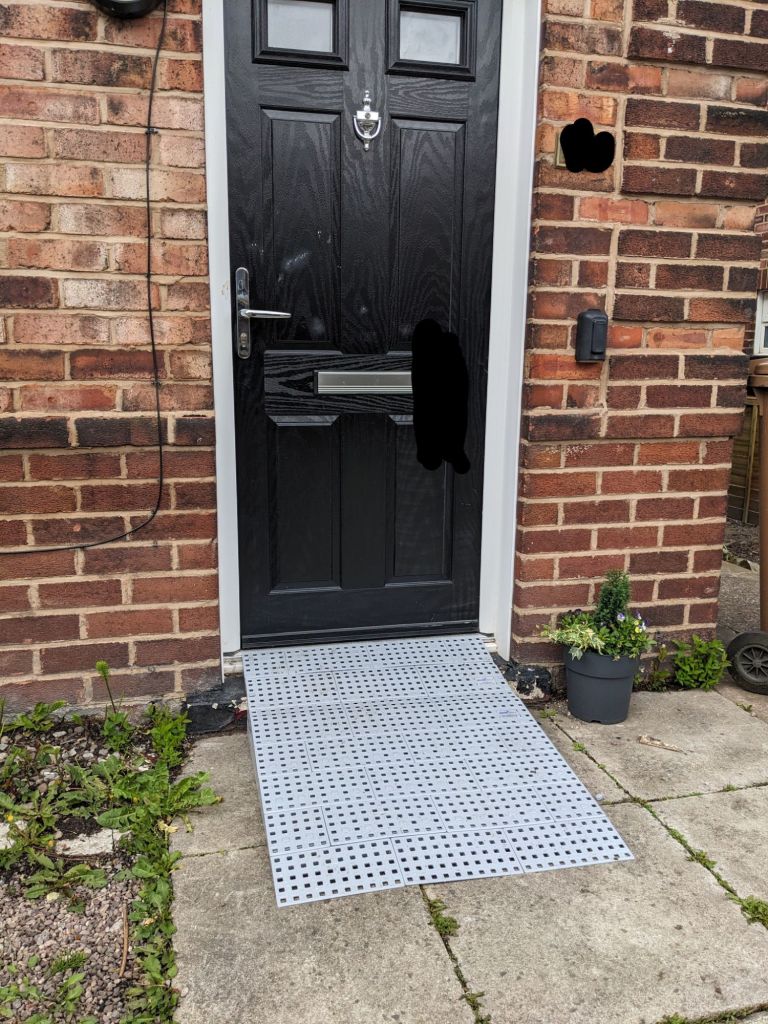
The installation of ramps at our house may have seemed like a small and simple change, but its impact has been monumental. It has opened up a world of possibilities for me. I am excited for the future as we continue to make our home more accessible and inclusive.
Let’s talk about Ableism
The recent podcast episode that featured ableist remarks and disgusting views towards disabled persons has sparked a conversation that needs to be had.
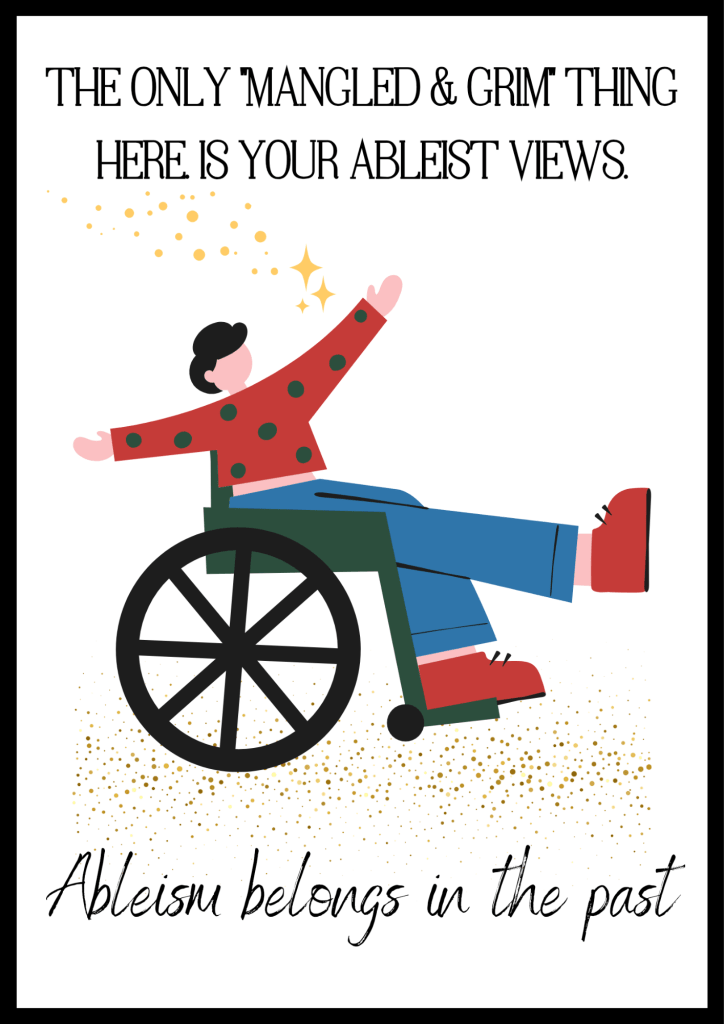
When we discriminate and label disabled individuals with disgusting terms such as ‘mangled’ & ‘grim’, we are contributing to the systemic ableism that is already prevalent in society. The last thing we need is for discrimination to be given a platform and normalized even further.
It is important to remember that health is in no way guaranteed, and you could become disabled at some point. Whether it be from an accident, illness, or old age, our health can deteriorate. Would you then view yourself as “mangled and grim”?
For those who have been affected by the hurtful remarks made in the podcast, remember your self-worth. You are deserving of love and respect, and ableism has no place in our society.
 Dystonia and Me