Posted in September 2024

My stance on the Nanowrimo controversy

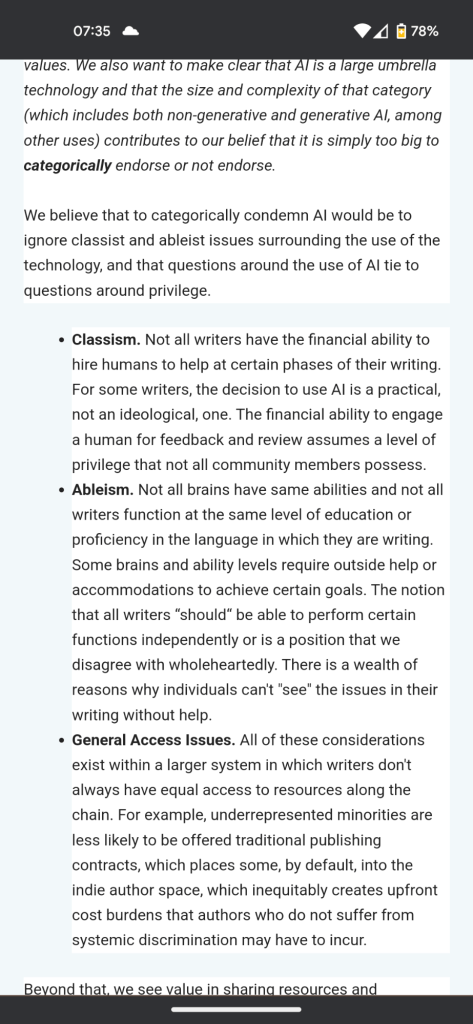
Nanowrimo have recently released a statement (see below) which can only be classed as ableist and classist. Therefore I will not be participating in any of their events moving forwards.

The disabled community tirelessly fights against ableism in every area of life. Nanowrimo’s position suggests that disabled writers cannot create quality work without relying on AI, which I find deeply troubling as an author with Dyslexia and multiple physical disabilities. Their stance is dismissive of the many disabled authors who have created incredible books and achieved great success.

The implication that writers from less affluent backgrounds are incapable of success is utterly ridiculous; throughout history, authors from all walks of life have achieved recognition and success.

While some have used Nanowrimo to help complete their titles, for many it is simply a fun challenge to themselves which also provides a community of likeminded individuals. However due to the disappointing, ableist and classist views that they have demonstrated it is not an event I will participate in again.

I sincerely hope that Nanowrimo learn from outcry of disabled authors and adjust their policies and views.

Posted in April 2024, Archive

An Open Letter to the Prime Minister

Dear Prime Minister,

It is with deep concern that I am writing in regards to the discriminatory proposed changes to Personal Independence Payment (PIP) and other disability benefits. These changes have the potential to have a devastating impact on the lives of disabled individuals across the country and add to the stigma that disabled persons have to contend with.

The proposed changes, which include cuts to benefits and stricter eligibility criteria, are not only unjust but also a clear violation of the rights of disabled people. A fact that the United Nations has recently focused on. Many in the disabled community rely on these benefits to meet their basic needs and live with dignity. In too many cases the available benefits are not enough to cover necessities, a problem that is only growing due to the cost of living crisis. By cutting these benefits, the government is effectively pushing disabled individuals further into poverty and isolation.

It is important to remember that disability in any form is not a choice, and no one should be penalized for something that is beyond their control.  No disabled person should have to fight for help, nor contend with the government bringing in further discriminatory and ableist measures. It is the responsibility of the government to provide support and resources to those who need it the most, not to further marginalize and discriminate against them.

I urge you to reconsider these proposed changes and instead focus on creating a fair and inclusive system that supports all individuals, regardless of their abilities. Focus on enabling companies to create more jobs, including remote work, that is accessible and accepting of disabled people; the current scheme does not do its job. Disabled individuals deserve to be treated with respect and dignity, to be enabled to live a life full of opportunities, and it is our duty as a society to ensure that they have the resources they need to thrive.

I may only be a voice in a sea but I urge you to work towards creating a more just and equitable system for all.

Sincerely,

Rebecca Tunstall

Posted in April 2024, Archive

UK gov sick note proposal; ableist and stigmatising

In a recent move by the UK government, changes to the sick note process have been announced that have raised concerns among disabled individuals and their advocates. The changes are said to make the process more efficient and streamlined, alongside helping to further cut the welfare budget. A move that is not surprising by a government who have repeatedly penalised disabled persons over the last decade.

The new process specifically targets those with ongoing mental health concerns adding needless stress and stigma. Furthermore, the lack of accessible working roles for disabled individuals makes it even more difficult for them to return to work. Many disabled individuals face barriers in finding suitable employment due to discrimination and ableism in the workplace. This has become a more noticeable issue in recent months due to the focus on stopping remote work for many businesses. Without the proper support and accommodations, many disabled individuals are unable to work, this will result many being unfairly penalized under the new sick note process.

This move by the UK government is sending a dangerous message that disabled individuals are not valued or deserving of support. After the UN hearing recently on the violation of disabled persons human rights, it is disheartening to see further backlash against the disabled community. This runs the risk of  leading to further stigmatization and discrimination against disabled individuals, who already face many challenges in society.

The government must place more value on the account of  the needs and experiences of disabled individuals when making policy decisions. Rather than demonizing and penalizing disabled individuals.

The changes to the sick note process in the UK are worrying and ableist, and they highlight the need for more support and understanding for disabled individuals in society. Disabled individuals deserve to be treated with dignity and respect, and it is essential that policies are put in place to ensure their rights and needs are met.

Posted in April 2024, Archive

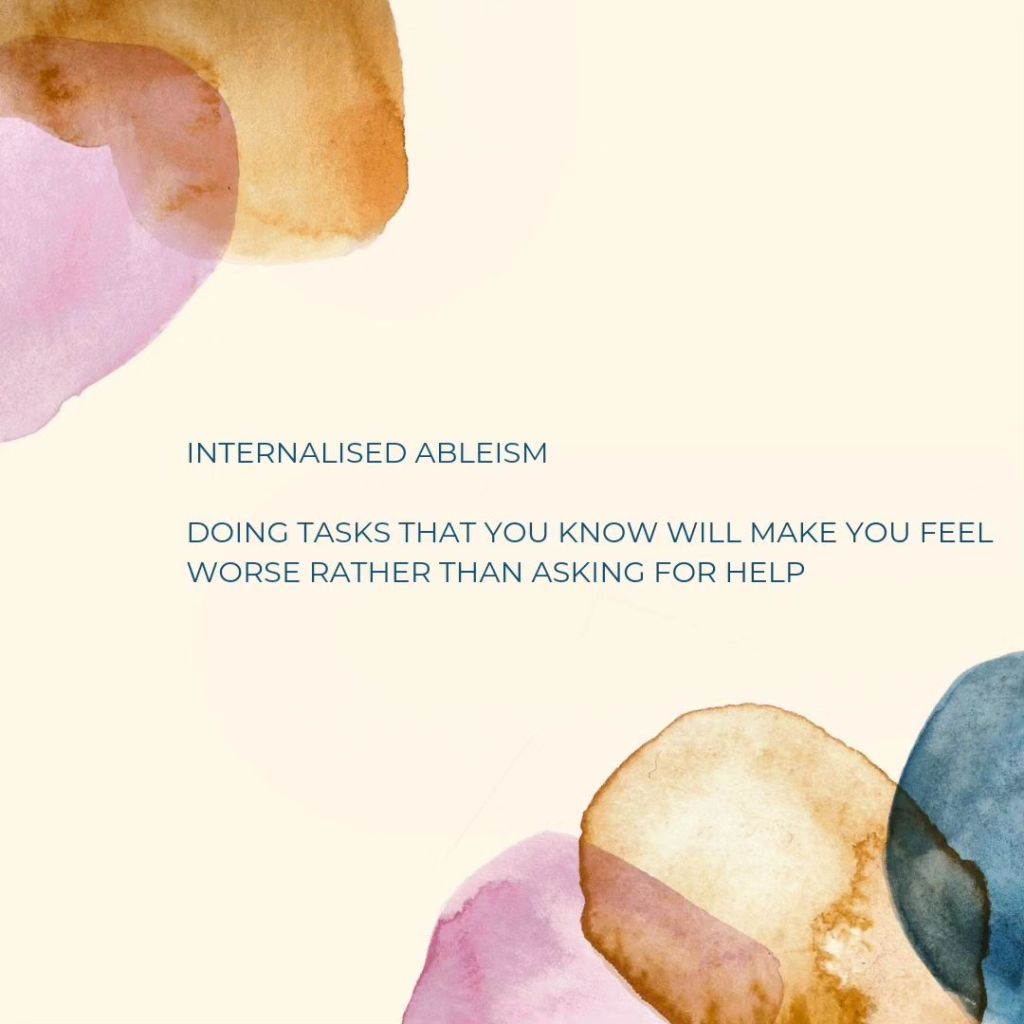
Internalised Ableism

What does internalised ableism look like?


Internalized ableism can manifest in a variety of ways, including self-deprecation, comparing oneself to non-disabled individuals, and downplaying the need for accommodations or support.


One common way that internalized ableism may present itself is Individuals with disabilities feeling inadequate or inferior because they are not able to perform tasks or activities in the way society dictates. This can lead to feelings of shame, guilt, and self-doubt.


For others internalized ableism can manifest through a reluctance to seek help or accommodations. They may resist asking for assistance or accommodations because they believe that they should be able to cope with their disability on their own. This can result in unnecessary hardship and additional stress. This is something I struggle with daily.


Undoing internalized ableism is a process that takes significant time and effort. For those who embark on this journey it may involve seeking therapy or counseling, connecting with a supportive community, and practicing self-compassion.


By recognizing and addressing internalized ableism, individuals with disabilities can begin to cultivate a healthier mindset. They can learn to appreciate their unique strengths and abilities, and advocate for their needs and rights.


Undoing my own internalised ableism is a personal path I am currently on. It is not an easy process and there have been slips on the way already. But I don’t doubt I will be thankful for doing so.

Posted in April 2024, Archive

Let’s talk about Ableism

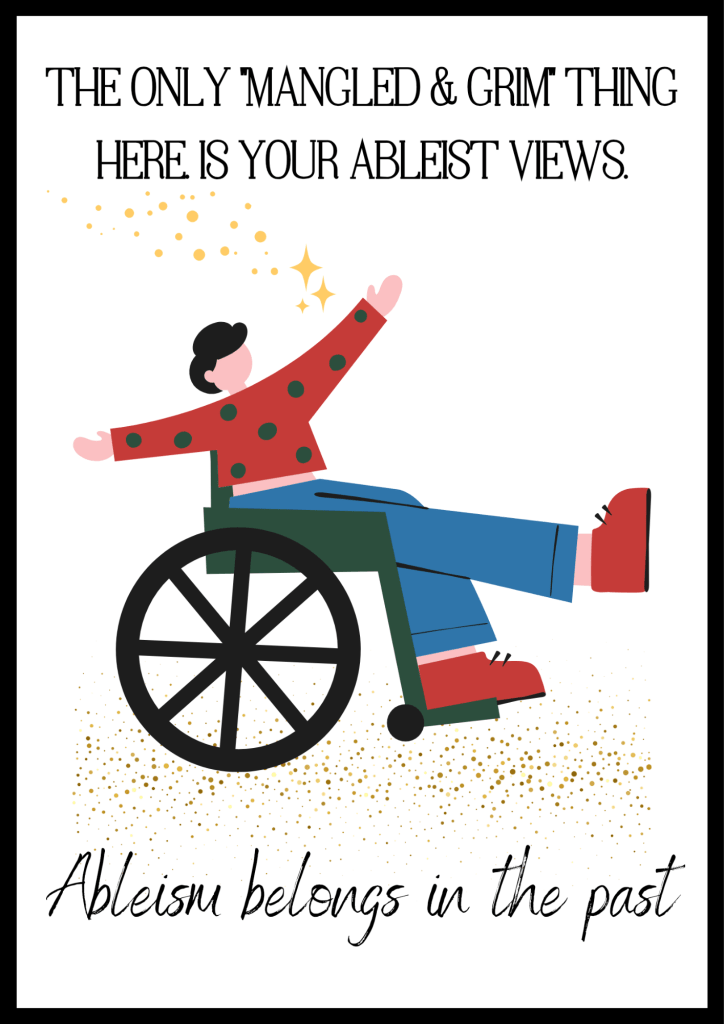
The recent podcast episode that featured ableist remarks and disgusting views towards disabled persons has sparked a conversation that needs to be had.

When we discriminate and label disabled individuals with disgusting terms such as ‘mangled’ & ‘grim’, we are contributing to the systemic ableism that is already prevalent in society. The last thing we need is for discrimination to be given a platform and normalized even further.

It is important to remember that health is in no way guaranteed, and you could become disabled at some point. Whether it be from an accident, illness, or old age, our health can deteriorate. Would you then view yourself as “mangled and grim”?

For those who have been affected by the hurtful remarks made in the podcast, remember your self-worth. You are deserving of love and respect, and ableism has no place in our society.

Posted in Archive, march 2024

The Importance Of Addressing Ableism

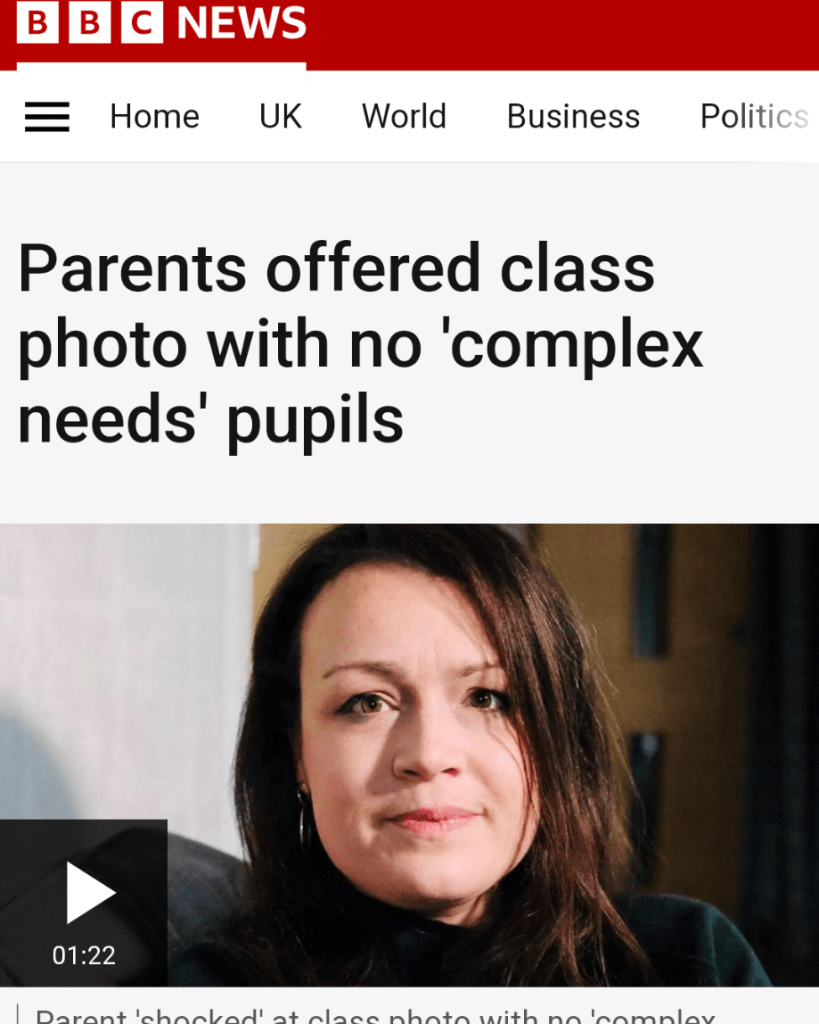
A screenshot from BBC News showing article title ‘parents offered class photo with no Complex needs pupil’. A woman is featured, with brown shoulder length hair, light make up, forest green top.

In a recent BBC news article, it was reported that parents were offered a class photo without any of the disabled pupils included. This act of ableism is incredibly disheartening and highlights the ongoing discrimination and exclusion that many disabled individuals face on a daily basis.

When my Dystonia first manifested in 2010, I refused to attend school for three months. My face was distorted by spasms which left me highly self conscious. If I had been subjected to such discriminatory treatment, I can only imagine the lasting impact it would have had on my self-esteem and willingness to participate in school.


Ableism, is a pervasive issue that has far-reaching consequences. This prejudiced mindset leads to exclusion, negative stereotypes, and unequal treatment, reinforcing the idea that disabled individuals are inferior.

What is particularly troubling about this situation is that there were multiple opportunities for intervention and correction. The school staff should have immediately recognized the discriminatory nature of excluding disabled pupils from the class photo and taken steps to rectify the situation. Furthermore, offering the photos to parents should never have happened.

It is disheartening to see that acts of ableism are still prevalent in our society and in our schools. It is crucial that we continue to raise awareness about the importance of inclusivity and equality for all and challenge discriminatory behaviour.

Posted in Archive, June 2023

Hospitals & Consent

Over the last few years I’ve not had the best experiences at my local hospital. I’ve gone in incredibly sick and been discharged in a worst state multiple times. It’s got to the point now where I have to know in myself that I can no longer cope at home before I will agree to go.

The other night after spending several hours vomiting uncontrollably, passing blood, and doubled up in pain so severe I was unable to talk through it or focus my partner rang an ambulance. I dislocate multiple times a day and live with organ prolapse, I’m good at handling pain but this was another level of hell.

The ambulance we would end up cancelling as it was several hours away and family could drop me there quicker. I was sat in my chair, throwing up, crying in pain and quite frankly not coping. A few hours into the wait I seized. I don’t remember this. The doctor the next day told me I’d managed to seize out my wheelchair onto the floor, they’d had to scoop me up and get me round to resus.

I can remember throughout the night they attempted multiple times to place a cannula but failed. I desperately needed meds and fluids, and asked for them to use an ultrasound machine and ideally a consultant as my veins are extremely hard to find but also blow very easily due to my Ehlers-Danlos syndrome. This request was ignored and they decided not to administer the fluids or meds I needed. I was there for over 12 hours. Eventually they decided to take blood from an artery by my groin. Again I requested an ultrasound and experienced Dr such as the anaesthetist on call (they are used to my veins and are patient) instead they pressed ahead blindly and painfully.

I’ll delve into this topic another time in more detail but please understand that a disabled person’s medical aids are an extension of themselves. You should never touch them without first gaining consent. While I was in the hospital I had the valve removed from my Cathater. They did not have my consent to do this. They had asked to attach a bag which was fine, I attach bags to the valve all the time. But I would never consent to the removal of the valve as then I would be on free flow which would cause horrific spasms as I have a neurogenic bladder. The valve is the only thing that helps manage these spasms. Yet it was taken off and binned without consent.

I was discharged that morning and handed a few days worth of the same antibiotics I had just finished and sent home. When my partner arrived in resus to collect me the first thing he asked was if I was well enough to go home. I shook my head but said nothing. Within an hour of being home my district nurses were calling another ambulance for me. My temp was 39.5, I couldn’t stop shaking and I was still in agony. There was a four hour wait and with how concerned my team were Damon loaded me back into the car.

This time they listened a bit better. We established that actually my bloods had shown a kidney infection and I needed a completely different set of antibiotics. But was once again sent home. Today I’ve hardly stayed awake. My other half stayed home to look after me and has had to wake me up for my nurses and meds. I’m exhausted, still with the raging temperature and just frustrated.

Posted in April 2022, Archive, Wedding

Disability & Wedding Planning

Our wedding date is set for the end of next year and we couldn’t be more excited. The kids ask ‘how much longer” almost every day, and are very much looking forward to playing their parts on our special day. We have got well and truly stuck in to the planning and booking of our venues.

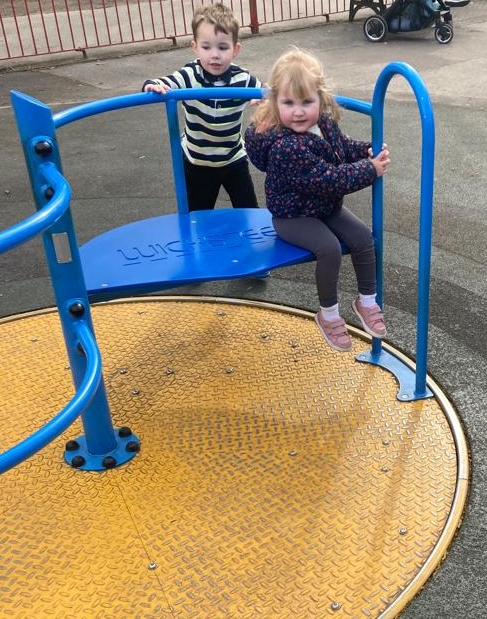
Playing together at Walton Gardens

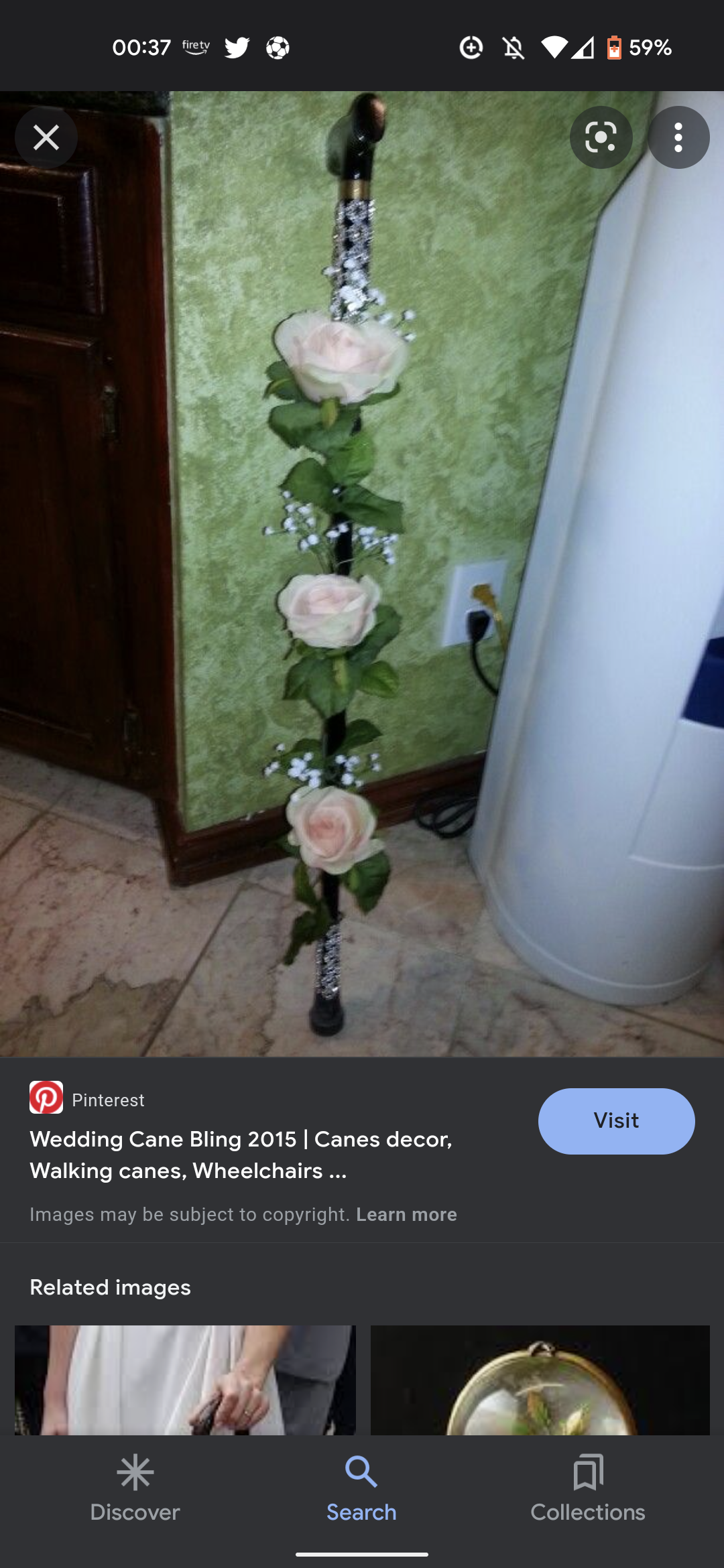
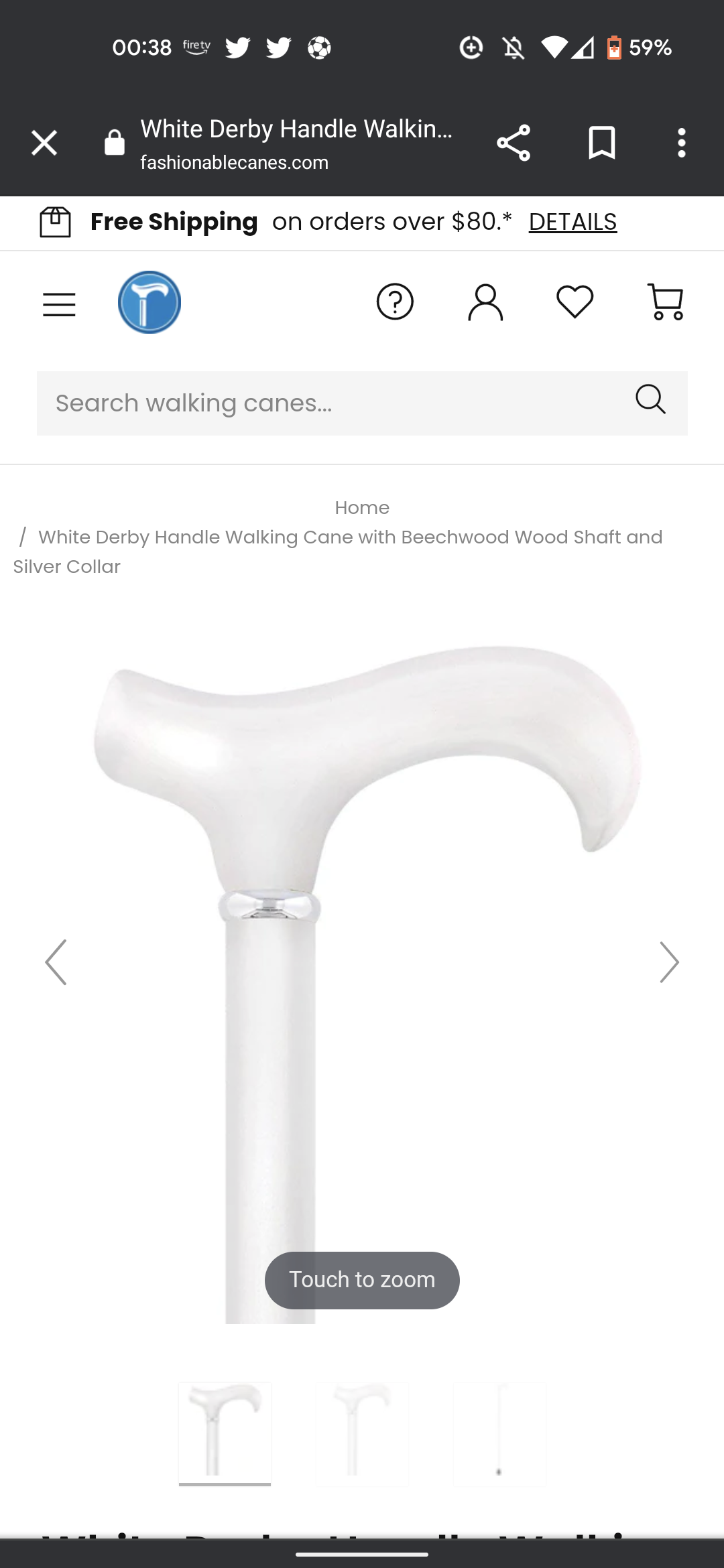
This is where my arsenal of equipment that holds my body together will come in handy. We will be splinting up my knees and ankles in the hope that I can hobble down the aisle on my walking sticks. I’ve currently got a Pinterest board dedicated to walking sticks in different shades of white/ivory/champagne so that once I’ve brought my dress I can match them. However if I have to roll down the aisle that’s fine too (it’s what I do every Sunday anyway 🤣 during mass), so I can always spruce my chair up with flowers.

One of the big factors for us is getting me through the day without a trip to A&E or an ambulance having to be called. Sounds simple really, doesn’t it? Yet it’s a very real possibility. I tire very quickly these days and my body goes downhill when that happens, so utilising my aids and working breaks into the day/sitting down frequently will be important. Having these planned in advance seems best for not running out of spoons* too quickly.

Spoon theory explantation

I’ve spoken to our photographer about my disabilities and he’s had experience with people with similar issues. Hes happy to listen and go off what I’m saying. If I’m doing well then fab, not feeling so hot then that’s ok too we can rejig positions. I was quite nervous about this conversation so this was a big relief that he was cool with it.

I’m ever so slightly taller than my partner which I am over the moon about as it removes all temptation to break out the heels I hung up years ago. I used to love love love a chunky wedge heel. But it’s just asking for trouble. So sensible flat shoes it is with good ankle support it is – to be honest I’d be quite happy barefoot but I think the church and the hotel wouldn’t be as thrilled. I’ll be gradually breaking these in as part of my EDS means my skin breaks super easily. It takes me months to adjust to shoes even when they’re a perfect fit without my feet bleeding.

An old photo of us because im always just taking photos of the kids and the garden 🤣

Posted in Archive, December 2020

International Day of Persons with Disabilities 2020

The theme this year is ‘not all disabilities are visible’. This is stressing the fact that not every condition is immediately visible; according to the WHO report roughly two-thirds of people with a mental or neurological disorder will put off going to a doctor for help largely in part due to stigma, discrimination and neglect. As someone who has very much been on the receiving end of this trio when it comes to living with multiple neurological conditions, this comes as no surprise to me.

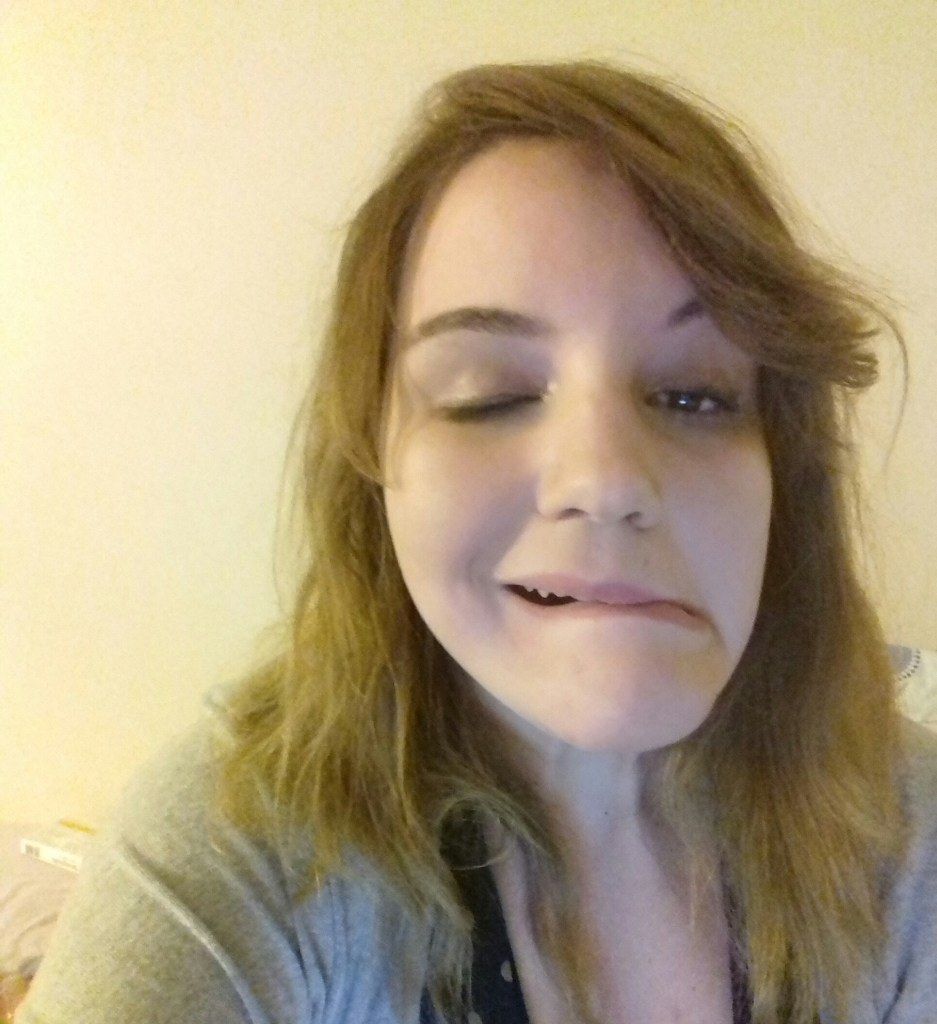
Looking at me as I am right now, curled up on the settee trying to not make to much noise so as to not wake the kids, you could be forgiven for not knowing I had a disability; even if your keen eyed and spotted my odd eyes you wouldn’t know that my sight was impacted and would be unlike to think too much about it. However even when you can spot my spasms or a dislocation, you cannot see my brain fog, my sensory loss, the neuropathic nerve pain, no one can see fatigue fight, the pain induced insomnia, the sixty odd dislocations a day and so much more.

Spot the faulty eye

I love talking with young children about my disabilities because they don’t hold back. “How does your chair work?” “Can you get upstairs?” “Do you have to put you your chair in the bath?” The look of fear on the parents faces as they worry that something not deemed politically correct may be asked is what I find disheartening. Without these beautiful minds being curious how can stigmas be fought against, broken down and normalised? This should be praised and encouraged. I appreciate that not everyone will want to be asked, but you’ll be surprised by how many people are more than happy to discuss these things.

Disabled people, whether the condition is visible or not, physical/mental/learning or otherwise are still people. Next time, pause, maybe ask a question, you could be amazed at how it opens your eyes.

Posted in Archive, December 2020

Disability Representation

Representative. That word means so many things these days. We are always on the look out for something or someone that represent us in someway that we identify with. It’s been a long time since I stopped feeling that word was applicable to me anymore simply because as much as the world has made so much progress accepting disabled people there’s some pretty ridiculous hold ups too.

In politics there’s lots of loud, worringly not always up to date privalged folk making decisions that impact the likes of you and me. I always dread when they discuss the NHS or disability benefits and wonder how much time they’ve spent speaking and really listening to its core users. I’ve written many times and often been disgusted by the response back which has so inadequate they’ve not even referred to my letter remotely accurately.

In fashion I struggle to find clothes that don’t physically injure me when putting them on. I’d love to see more disabled friendly clothes hitting the stores at reasonable prices. For those of you thinking just avoid the clothes that cause injury I do for the most part, but I haven’t found a bra yet that I can take on and off without dislocating.

Councils; I am honestly curious when you design pavements, who decides on drop curb placements? As a wheelchair user, with brain fog more days than not, I have to try to remember the best wheelchair friendly routes. These often involve laughable detours. I’ve been debating starting a ‘The disappearing Dropcurb album’.

Film/TV. All I’m going to say on the subject is start hiring the talented disabled actors that are out there for roles, rather than able bodied household names. You have no excuse, make the adaptations needed to facilitate.

Finally I don’t expect to see representation of myself everywhere, that’s not exactly what I’m getting at. After all one of the beautiful things about human life is our differences, our uniques, our quirks. However that doesn’t mean that we shouldn’t address the issues I’ve raised above and as we’re heading into 2021 these really should be non issues by now.