
Dear Prime Minister,
It is with deep concern that I am writing in regards to the discriminatory proposed changes to Personal Independence Payment (PIP) and other disability benefits. These changes have the potential to have a devastating impact on the lives of disabled individuals across the country and add to the stigma that disabled persons have to contend with.
The proposed changes, which include cuts to benefits and stricter eligibility criteria, are not only unjust but also a clear violation of the rights of disabled people. A fact that the United Nations has recently focused on. Many in the disabled community rely on these benefits to meet their basic needs and live with dignity. In too many cases the available benefits are not enough to cover necessities, a problem that is only growing due to the cost of living crisis. By cutting these benefits, the government is effectively pushing disabled individuals further into poverty and isolation.
It is important to remember that disability in any form is not a choice, and no one should be penalized for something that is beyond their control. No disabled person should have to fight for help, nor contend with the government bringing in further discriminatory and ableist measures. It is the responsibility of the government to provide support and resources to those who need it the most, not to further marginalize and discriminate against them.
I urge you to reconsider these proposed changes and instead focus on creating a fair and inclusive system that supports all individuals, regardless of their abilities. Focus on enabling companies to create more jobs, including remote work, that is accessible and accepting of disabled people; the current scheme does not do its job. Disabled individuals deserve to be treated with respect and dignity, to be enabled to live a life full of opportunities, and it is our duty as a society to ensure that they have the resources they need to thrive.
I may only be a voice in a sea but I urge you to work towards creating a more just and equitable system for all.
Sincerely,
Rebecca Tunstall
Tag: disability advocacy
UK gov sick note proposal; ableist and stigmatising
In a recent move by the UK government, changes to the sick note process have been announced that have raised concerns among disabled individuals and their advocates. The changes are said to make the process more efficient and streamlined, alongside helping to further cut the welfare budget. A move that is not surprising by a government who have repeatedly penalised disabled persons over the last decade.
The new process specifically targets those with ongoing mental health concerns adding needless stress and stigma. Furthermore, the lack of accessible working roles for disabled individuals makes it even more difficult for them to return to work. Many disabled individuals face barriers in finding suitable employment due to discrimination and ableism in the workplace. This has become a more noticeable issue in recent months due to the focus on stopping remote work for many businesses. Without the proper support and accommodations, many disabled individuals are unable to work, this will result many being unfairly penalized under the new sick note process.
This move by the UK government is sending a dangerous message that disabled individuals are not valued or deserving of support. After the UN hearing recently on the violation of disabled persons human rights, it is disheartening to see further backlash against the disabled community. This runs the risk of leading to further stigmatization and discrimination against disabled individuals, who already face many challenges in society.
The government must place more value on the account of the needs and experiences of disabled individuals when making policy decisions. Rather than demonizing and penalizing disabled individuals.
The changes to the sick note process in the UK are worrying and ableist, and they highlight the need for more support and understanding for disabled individuals in society. Disabled individuals deserve to be treated with dignity and respect, and it is essential that policies are put in place to ensure their rights and needs are met.
The Importance Of Addressing Ableism
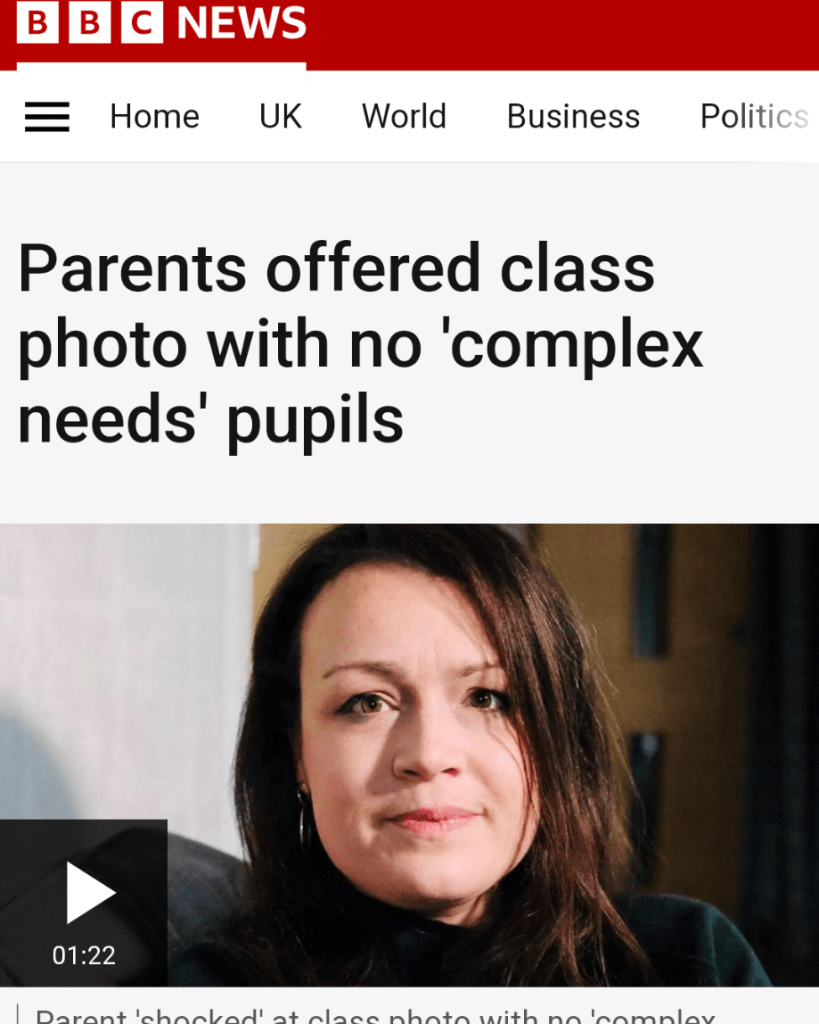
In a recent BBC news article, it was reported that parents were offered a class photo without any of the disabled pupils included. This act of ableism is incredibly disheartening and highlights the ongoing discrimination and exclusion that many disabled individuals face on a daily basis.
When my Dystonia first manifested in 2010, I refused to attend school for three months. My face was distorted by spasms which left me highly self conscious. If I had been subjected to such discriminatory treatment, I can only imagine the lasting impact it would have had on my self-esteem and willingness to participate in school.
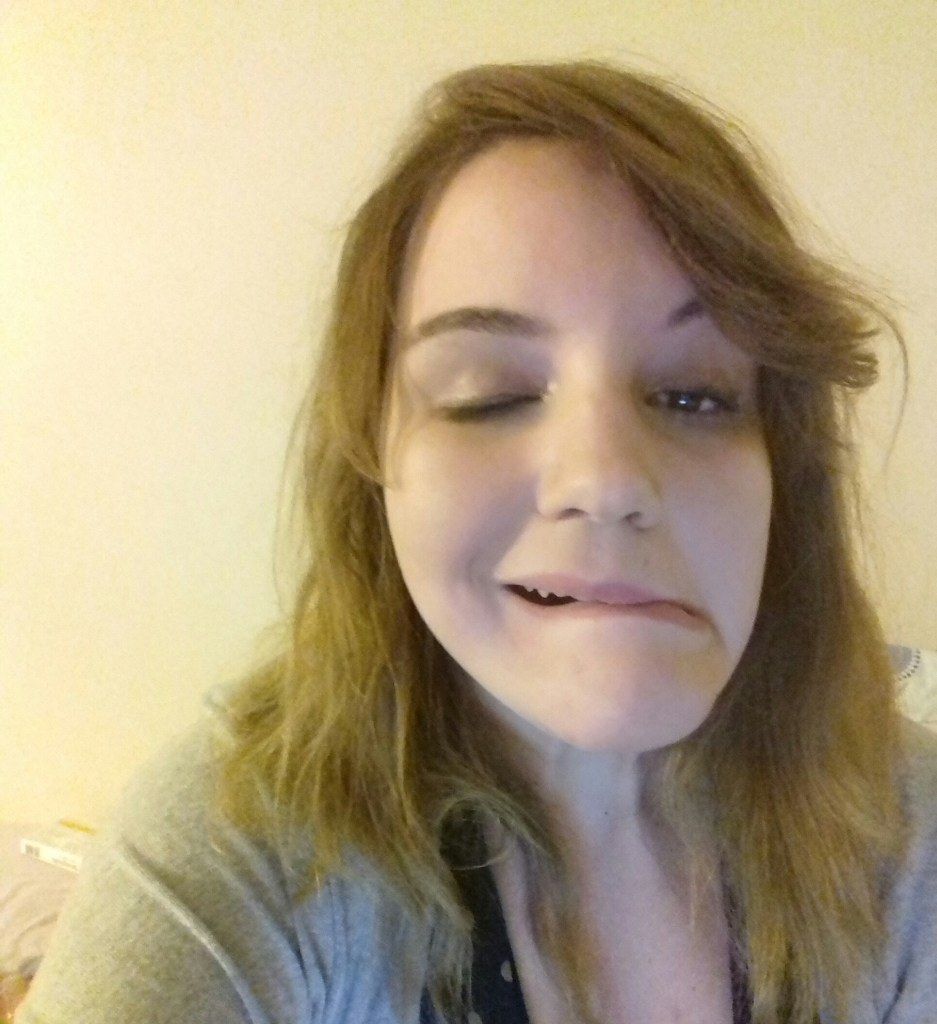
Ableism, is a pervasive issue that has far-reaching consequences. This prejudiced mindset leads to exclusion, negative stereotypes, and unequal treatment, reinforcing the idea that disabled individuals are inferior.
What is particularly troubling about this situation is that there were multiple opportunities for intervention and correction. The school staff should have immediately recognized the discriminatory nature of excluding disabled pupils from the class photo and taken steps to rectify the situation. Furthermore, offering the photos to parents should never have happened.
It is disheartening to see that acts of ableism are still prevalent in our society and in our schools. It is crucial that we continue to raise awareness about the importance of inclusivity and equality for all and challenge discriminatory behaviour.
The UK Government’s Violation of Disability Rights: What You Need to Know
Disability inclusion as a human right should be universally upheld. Too often it is not. In 2017, the UN found the UK government guilty of ‘systematic and grave’ violations against the disabled community under the UN Convention on the Rights of Persons with Disabilities. The UK then government failed to attend a crucial hearing in August 2023, proividing no reason for their abscene. Disabled individuals and organizations who attended this hearing provided evidence to the UN committee of further negtive long term impacts to disbled citzens due to governmental policies and funding cuts/services.
March 18th, 2024 the UK government is expected to appear before the UN committee and demonstate the actions it has taken since 2017 to rectify these human rights violations. At the heart of these violations are the breach of three key articles: Article 19 (independent living), Article 27 (Work & Employment), and Article 28 (Adequate Standard of Living & Social Protection). t is imperative for there to be global prescence to witness this committee, so as to increase awareness on the current lack of action taken to address the violation of disabled peoples human rights in the UK and to advocate for this ongoing crisis. You will be able to watch this session virtually using the below link.
Where can I watch? https://webtv.un.org/en/asset/k1s/k1svtljvtr
What time? 2pm-3:30pm UK time
Health’s Expiration Date: Why Accessibilty Shouldn’t Be An Afterthought
Health is often discussed in a way that would imply it is a given untill old age. It is a mindset that is flawed and dismissive of the many factors that can impact our health at any age. It ignores genetic predispositions, accidents and injuries, age related complications, conditions that develop with unknown causes, complications caused by other illnesses e.g stokes, etc.
It is necessary for there to be a shift away from the idea that health is a given, to one where it has an expiration date. With that viewpoint in mind, I ask why does society remain as inaccessible as it currently is? The majority of us will, at some point in our lives experience a level of disability. Despite this accessibility across the board is not where it needs to be to make life equally accessible for all.
Health expires, so why does accessibility remain an afterthought?
Look Beyond The Wheelchair
The wheelchair often becomes the point of attention when people first meet me. I often get met with “What happened to you?” or “But you’re so young!”. Questions that are meant with no malice I know. Society has ingrained in many the perception that the wheelchair is one of the defining symbols of disability. However, if we were to literally remove my wheelchair from the picture, would you still be able to perceive any indicators of my disability?
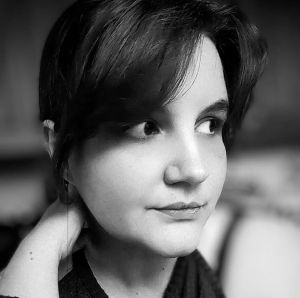
When we remove my wheelchair rather literally from the picture, it becomes almost imposibile to recogize any of my conditions. Their lack of visibility does not however make them any less real. Society, as we have seen repeatedly, tends to validate only those disabilities in which it can ‘prove’ the condition/the condition is visible. This is extremely problematic as only a small percentage of the disabled population are classed as having a ‘visible disability’.
Using myself as an example, I live with organ prolapse, I’m reliant on a suprapubic catheter, I experience extreme levels of chronic pain, I have PTSD, Dyspraxia, find too much visual stimuli brings on migraines and numerous other conditions that are not immediately obvious. These symptoms can impact day-to-day functioning, and when combined, they can be truly debilitating. Creating a more accessible world would greatly enhance the lives of those with disabilities. This would involve not only providing wheelchair access but also increasing the availability of disabled-friendly facilities, raising awareness among retail staff about the various challenges customers may face e.g visual, auditory, sensory difficulties etc and working to create an inclusive environment of understanding and patience.
It’s vital to recognize that disability is unique to every individual and illness. It’s a sliding scale in which each person moves in accordance with their changing conditions and the factors that are impacting them that day. It’s a vast scale; we need to refrain from reducing people and their disabilities to simple tickboxs.
‘Traditional Employment Is A Requirement’
Over the past few months, my husband and I have encountered a recurring challenge while searching for a new home: many landlords insist that both of us must be in ‘traditional full-time employment’. This has been quite an obstacle for us. Despite my nearly seven-year career as an author, landlords always seem wary when they learn that I receive PIP, while barely sparing a glance at my husband’s long-term employment history.
With our current landlord asking us to find a new home by the end of March, we’ve found ourselves having many alate-night conversation, trying to figure out a solution. I suggested that I explore alternative job opportunities that were disability friendly. In the early stages of my career, I used to write only during the night – while not ideal, it’s a balancing act I could manage again if necessary.
However, navigating the job market presented new challenges. While remote work was widely advertised just a few years ago, many companies now require office-based or hybrid roles. For me, a fully remote job is currently necessary due to my reliance on physical assistance to leave my home.
The more we talked about these issues, I kept coming back to the same questions:
What exactly is ‘traditional’?
If our household income meets your requirements, why should my disability or my job title matter?
At the moment, we don’t have a solution. There’s no magic fix. In the meantime, I plan to continue documenting these interactions and hope that we can make progress towards more tolerance and equality in society.
An Open Response to Sajid Javid
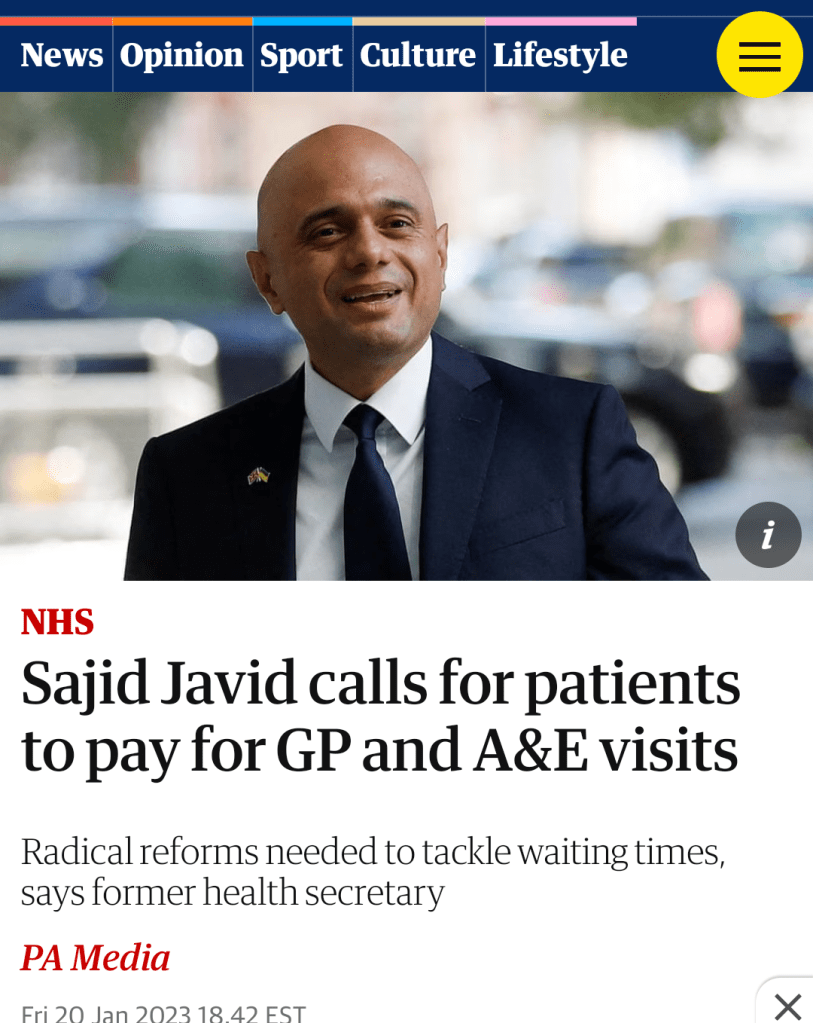
When I stumbled across the article in the Guardian during the early hours of Saturday morning I was horror struck. “Sajid Javid calls for patients to pay for GP and A&E visits” the bold headline all but shouted. The fear that boiled up instantly is one I imagine Sajid Javid is not familiar with. Fear of what might happen to you if you cannot access the medical help you need. A familiar fear. Rumours have circled for years that the Conservative government wants the NHS to fail so they justify privatising it. It’s a statement we’ve all heard, and although it’s one I’ve always dismissed as a rumour it’s still brought that stomach churning fear with it.
Could I afford my life changing treatment if it was private? No. Would I be able to afford my almost weekly GP appointments,a necessity to lower my hospital admissions? No. Would I be able to afford my multiple monthly A&E trips for my regular dislocations/spasms/seizures/etc? Nope. Not a chance. Would I have a hope of affording inpatient care – I was admitted twice in November, once in December, and twice more in January. There isn’t a flying monkey of a chance. That’s before we factor in operation costs, ambulances, outpatient appointments etc. It’s a terrifying prospect.
I’ve experienced life without my regular injections and daily meditations, I end up hospitalised on a feeding tube, blind due to eyes spasms, body twisted in spasm and jaw dislocated. It’s hell. It’s an experience I wouldn’t wish on anyone. Yet it’s what I would live with if dismantling our NHS happens.
Yes right now Sajid is only talking about GP and A&E fees. But once we allow the government to open that door will we be able to prevent a tidal wave of change from crashing through? For many just those two charges would be too much at a time where we already have people relying on public warm spots due to the cost of living crisis. I feel his suggestion will simply limit access to our incredible NHS, further isolating the vulnerable and the disabled.
Reflecting on Side Effects
I’ve not had to resort to Lorazapam this week for managing my jaw spasms/dislocations (yet). So far my usual meds and my Dr ordered bandage support, are doing the job along with Damon relocating it when needed. I hadn’t realised just how much the Lorazapam had been affecting me until it started to work its way out my system.
Now this isn’t a surprise. Clonzepam and Diazepam are listed as allergies for me as they cause psychotic reactions when I take them. It seem to be a family of meds I don’t get along with but unfortunately need at some point now and then unless we find a better alternative to turn to. This time it was like someone had extinguished all hope. Even though my Dystonia is well controlled these days, the fact that my Ehlers-Danlos is getting worse seemed unmanageable. Crushing. Uncontrollable.
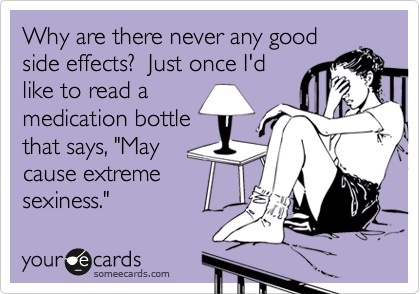
Now that it’s out of my system I can see how much of an affect it was having. Yes my EDS is on a downwards spiral at the moment, but we’re adapting and I am blessed with a supportive Fiancé and family who are helping me. My life is very much one full of hope and love. It’s helpful that I have my blog to turn to read to myself on bad days.
Botox is on Friday which I’m much looking forward to. I cannot wait to take these bandages off.
Saturday Spent in A&E
This morning was meant to be normal. For us that meant breakfast, chair yoga, meds, get the kids ready for their football club and rush out the door. Then it quitens down from midday. We do homework, see family, and enjoy nature. Today life had other ideas. Damon had already tried to relocate my jaw several times with no success before the kids football. By the time we were on our way home I was crying and asked to be dropped at the hospital.
I knew in myself that this was the right call. I don’t get upset over pain easily. If I’m like this then I need to be seen. Despite being rushed off their feet I was called through and quickly wheeled in to resus very quickly. The reason for this being that jaw dislocations can pose a risk for compromising ones airway. Normally they don’t bother x-raying me, but today they did. A number of drs were shocked at how bad it was, and that I’d let it stay like that since Wednesday.
The doctor looking after me wanted to try a few different methods before resorting to sedation. So a wad of tongue depressors were inserted into my mouth for half an hour to attempt to tire the muscles. Personally I don’t find this helpful, it just hurts, but I’ll do what I’m asked if it gets me treatment that I need eventually.
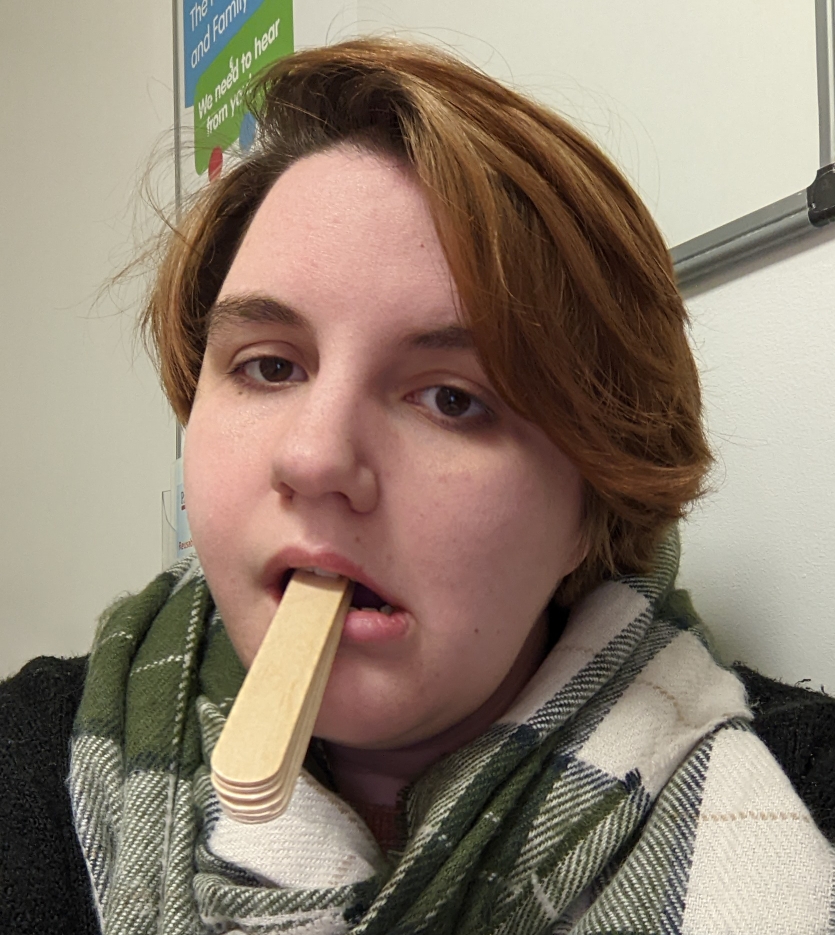
In the end they did have to sedate me. The Dr told me after that it was a extremely strong spasms pushing the jaw out and it was very difficult to relocate. The first time they got it in the jaw dislocated again immediately. Once they managed it for a second time they quickly bandaged me up to encourage/help support the jaw to remain in place.
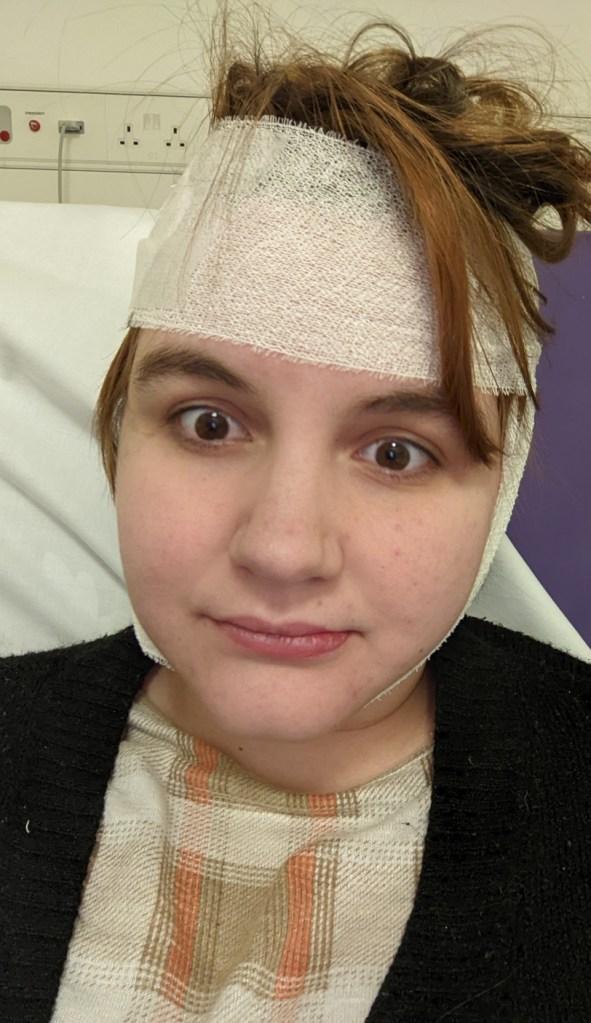
I’m now home feeling worn down, emotional, bruised and tired. I’ve got to remain bandaged for a while as it settles and start being more conscious of my jaw movements. Not the sort of headwear I’d been planning on wearing to church tomorrow but heyho. Got to keep laughing.
 Dystonia and Me