With the introduction of the new lockdown I had had been planning on getting crafty with the kids again. That idea was snuffed out after an email landed in my email box confirming that nursery would be doing live home lessons followed by tasks to be completed, photographed and emailed to his teachers. All well and good except my partner works shifts and I have an 18 month old whose favourite word is no, also takes no as a yes and will most deffinently try to touch every key on my laptop.
So today was the first home school lesson. After half an hour of technical wrestleling we finally got on to Teams and were met by a chorus of STEFAN. The children were happily mucking around with each other, my daughter was desperately trying to join in and the teacher? Her laptop had the same issues mine had to start with and never made it to the lesson. Round two tomorrow!
Dystonia and Me Holistic Health Coaching is officially up and running which has added a lovely touch to my evenings. I have been thoroughly enjoying chatting with different people with a range of issues and starting them on their journeys with me.
Colourful heart enlarging in further colours being touched by a human figure in blues and purples
I would love to hear if any has had the vaccine yet? From the calculator I predict mine to be late Feb to March at the current injection rates and would be interested to hear your experience in the comments. I personally will be accepting the offer of the jab, I just would like to go in to it eyes open to side effects.
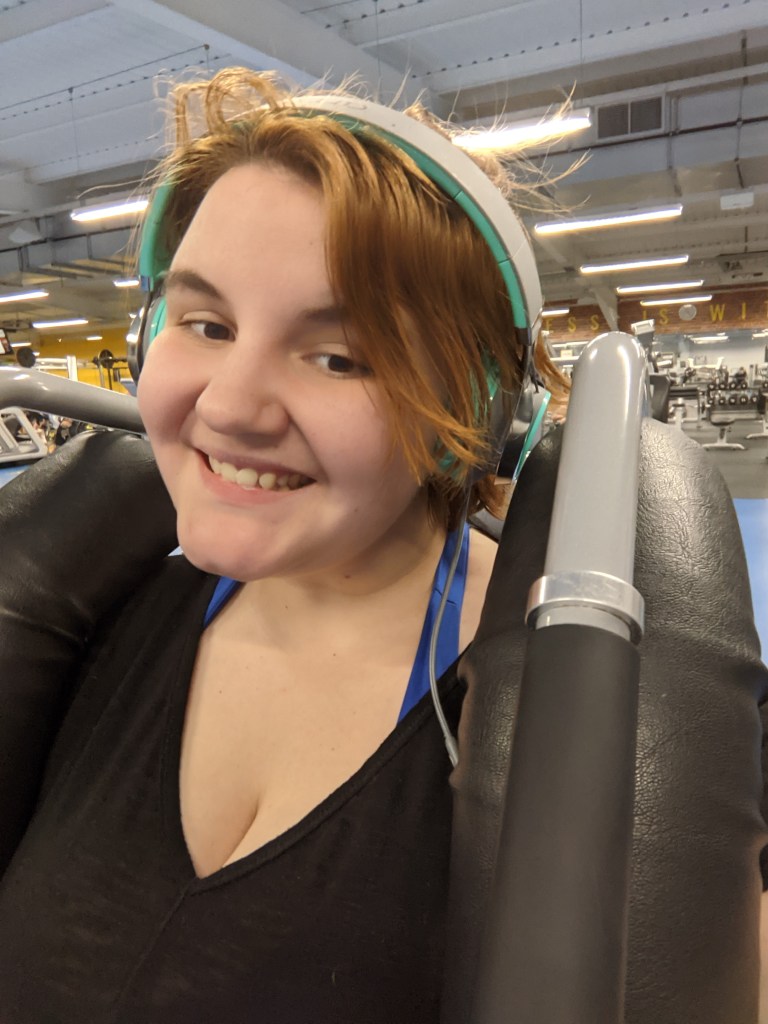
After a lot of discussions with my family and my medical team we decided that it was finally time for my return to the gym. I have not been since my battle with sepsis in January 2020. However if we are being honest there was no way I could have have returned in 2020; I spent a long period bed ridden, my Ehlers-Danlos syndrome progressively worsened and that’s before we factor in Covid. My 2020 health spiral ended with unexpected weight gain of almost two stone in a month. Considering I live on 1, 200kcl a day that comes from perscriped ensure juices, the sudden and extreme gain is disconcerting.
Now while my GP is investigating causes into the gain, I’m also taking a practical approach. I used to have a fair level of fitness and enjoyed going to the gym. Whilst it left me shattered afterwards and with sore joints, I also found I benefited with less extreme spasms after. Today’s reintroduction was a gentle session for the most part, testing what my bodies current capabilities are; I chose a recumbent bike session followed by different weight lifting machines.
First time back in the gym
I certainly don’t feel as energetic as I did this morning; far from it. I’m completely out of spoons and sore. However I am chuffed with how well the session went and am looking forward to the next one.
Hormones, they hit us out of the blue in puberty and never stop showing up no matter how much we hope they may just skip a month. Even before my diagnosis of Dystonia my monthly visits from the witch were awful.
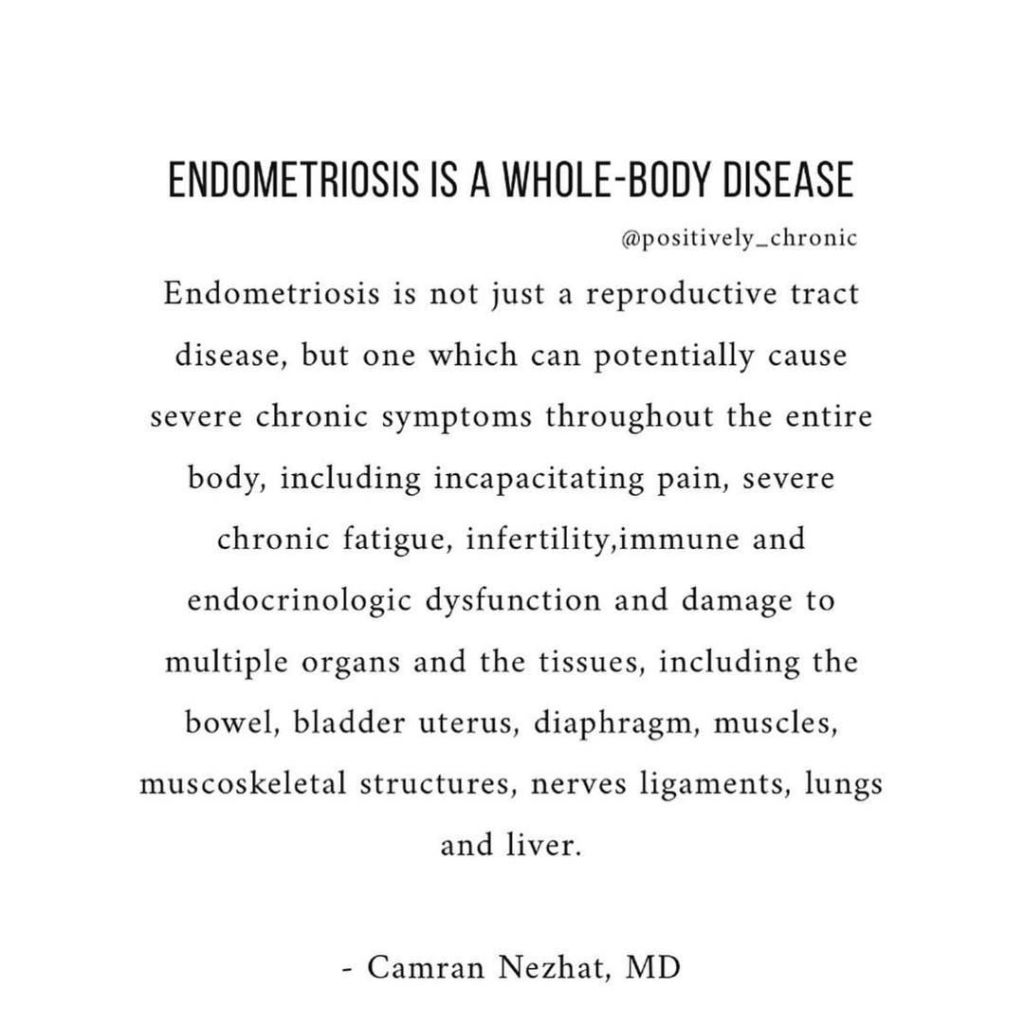
During my teen years my periods were unpredictable; sometimes not showing up for months and sometime arriving every two weeks. They would leave me doubled over the toilet in the night throwing up from the cramps, and going through a pad in under an hour over and over again. I spent years visiting my then GP who told me all this was normal and that I needed to learn to deal with these symptoms. It was only then when I was studying for my midwifery course that I had the courage to go to a new gp who recognised my distress and referred me to gyny. One operation later and I was diagnosed with Endometriosis.
Quote from Camran Nrzhat, ND.
Now my periods are worse than before and on average last 72 days. Yes you read that right. They last 72 days. Now normally they’d treat with a hormonal contraception to stop the period. Here’s where my health comes into play. My spasms, now I don’t know whether this is my Dystonia or EDS, but I can’t use any intrauterine device as the spasms physically reject it from my body which is fairly uncomfortable. The pill*/patch/injection all work on giving you progesterone however I am unfortunately one of those rare Ehlers Danlos suffers who can not tolerate this. The increase causes a dramatic increase in dislocations body wide.
*I am aware there are pills that are not just progesterone based however due to the fact I get daily migranes with aura I cannot take these as it increases my stroke risk.
Between the prolonged bleeding which leaves me severely anaemic (currently 3.1), the increase in spasms, dislocations, fatigue, it’s fair to say hormones really screw me over. So gentle hugs to all who also experience this. Remember chocolate always helps!
2021 has arrived! We rang the new year in a quiet manner, a nice drink, a dislocated thumb and an early night after realising we were out of bandages (and spasms were forcing my thumb to remain out). I hope all of you had a lovely NYE and are healthy and safe at the start of this new year.
So what does 2021 hold in store for me?
As you may know from my facebook page I have set up my own holistic health coaching business which is designed to help people who are disabled/dealing with invisible illnesses. Holistic Health coaching is a partnership that will empower them, pin point problematic areas and find realistic tools to help improve quality of life, improve pain management, mental health wellbeing, and more.
Dystonia & Me Holistic Health Coach
Enabling others to improve their quality of life is a passion of mine. My own struggles in that area, along with fighting for help with mental health, pacing advice and more stuck me as how much holistic health coaches are needed. I know that I could have benefited greatly from one in the beginning. I look forward now to helping others, for anyone interested you can contact me here https://www.facebook.com/DystoniaandMeCoaching/
Following on from yesterday’s Facebook live where we touched briefly on genetic causes of Dystonia, I wanted to delve into this a little more. DYT1 gene is the cause of some cases of early onset Dystonia and seems to be the one people are aware of. However there is a number of other genes that can cause Dystonia. Knowing whether it is a genetic cause is worth investigating as treatment can differ. For example I have the GCH1 gene which is the cause of Dopa Responsive Dystonia. I’ve lived with my symptoms for eight years and only recently found this out. I’m now awaiting to start on the appropriate medication for this particular type of Dystonia.
Being diagnosed with Dystonia for the majority of people is a long road, and more complicated still if you don’t know the medical history of your parents, grandparents etc. I haven’t had contact with my father for years but I know from my mum that he had hand tremors and was often called shakey. Now this could be caused by anything and that’s important to remember but based on the fact that my hands also spasm and tremor it’s a significant point.
When I was on the initial road chasing for a diagnosis only one doctor recommended genetic testing and this was never followed up on. I then spent years fighting against the label of functional Dystonia, which seemed to being applied purely based on my previous traumas. It became a frequent sticking point, one in which I often pointed out that fighting for treatment and belief was by far more traumatic at the time than issues I’d already worked through with therapists.
It was only after resorting to private genetic testing that we discovered that I had a genetic cause; I’d been blaming it on a horse riding accident for years purely because my neck spasms started shortly afterwards.
So does having a genetic cause change anything? Yes! Some types of Dystonia are far more likely to respond to Deep Brain stimulation, while others respond to specific medications better.
It is important to remember however that not all Dystonia causing genes are known yet. This is one of the reasons family history is so important. I only went digging into my genes after my maxfax surgon mentioned that their appears to be a link between Ehlers-Danlos Syndrome and Dopa Responsive Dystonia.
Other causes can be medication induced (tardive dyskinesia), brain injury, as a symptom of another condition etc. If you have concerns over the root cause of your condition please speak to your neurology team.
Launching a new chapter of Dystonia and Me whilst in the middle of a pandemic may seem like madness or at the very least questionable. Yet here I am registered and my social media page set up. It’s a move I’ve been toying with for a while but never seemed quiet the right time. However the multiple lockdowns have provided me with the perfect chance to finally spend some time getting my diploma. I spend a lot of each day already giving advice and talking to readers on an individual basis that it made sense to ensure that I’m as qualified as I can be to do so.
How does Dystonia and Me Coaching differ from others around?
I’ll be taking on only those with physical and/or mental health issues. The reason for this decision is that I’m in a unique position with my own health issues to understand how the applications of my methods can make a positive impact to individuals with health conditions. Having seen how many scammers prey on people in this area its vital to me that individuals know where to turn if this is a route they want to pursue and can trust in my brand.
Are you working during the pandemic?
Yes! Starting January I am officially open (currently taking bookings), I’ll be working through the use of zoom, phone calls and regular emails.
Is this a one size fits all approach?
Absolutely not! Each session is mapped around the individual. No two people are the same, so it wouldn’t be inappropriate to treat everyone so. Everything is tailor made to you and this is a process that occurs through conversation between myself and client.
I have a question you’ve not answered yet?
Fantastic, please head on over to Dystonia and Me Coaching where you can send me a message. All questions will be answered.
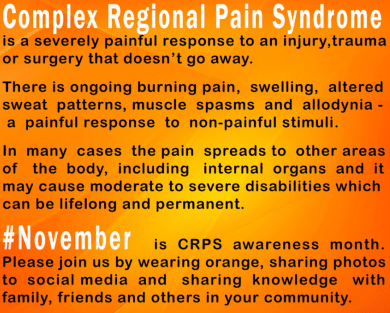
Complex Regional Pain Syndrome (crps) first appeared in my life back in February 2006. I was 16, in my GCSE year and had just had my appendix removed after a gruelling week on the adult inpatient ward being poked and prodded by consultants. Whilst they ummed and erred over whether or not to operate I would be given morphine injections into my thighs. A seemingly normal procedure which resulted in any semblance of normal vanishing in to the fire of nerve pain.
Around a week after discharge I was back in A&E having my leg x-rayed. Despite mine and my mother’s instance that it couldn’t be broken as I had barely walked due to the pain in it; so there’s been no fall, twist or bang to break a bone. Instead I was living in shorts unable to bare touch upon my skin, I was walking on my tip toes and every movement was agaonizing. This time I was admitted to the children’s ward after they’d established no break and the whispers of crps emerged.
Crps info
My leg deteriorated rapidly to the point it was in a fixed dystonic position (not that anyone explained that at the time) I could not bare any sort of touch and felt like I was being burned constantly. I can vividly remember one day where the pain was so bad I was screaming for them to put my leg out; my brain so convinced that it must be on fire, despite my eyes seeing otherwise. They ended up sedating me with diazepam to help.
My stay on the children’s ward was not a short one. I was there for a total of six months, studying and completing my GCSEs and undergoing intensive physio therapy. I couldn’t be more greatful to the physio team. They impressed on me the importance of desensitisation of the leg. This essentially meant running different textures up and down my leg multiple times a day to reprogram the nerves to recognise that it wasnt a painful stimuli, we used things like make up brushes, sponges etc. The turning point though was when they introduced hydrotherapy into my treatment. I would be hoisted into the pool and spend the session pretty much holding the side for dear life trying not to scream to loudly. It was traumatic and still makes me want to cry thinking back on it but I am so glad that they kept me going with it. There is no doubt in my mind that it was the best desensitisation treatment.
My leg now can bare clothing and shoes, I don’t scream out when we go over bumps in the car or if there’s a windy day blowing my clothes. For the most parts the symptoms are there but quiet, only roaring their disabiling heads when I do something foolish like walk into a table edge, or spend to long on that side at night. The Dr’s told us they were fairly certain the morphine injections were to blame and I’ve refused all leg injections since.
Part of my Dystonia treatment involves three monthly injections. In 2015 following my usual jabs I found myself at the Dr’s being diagnosed with crps once again, this time in my right shoulder. I was struggling to wear clothes and move my arm. Thankfully we knew from last time how to act and I arranged hydrotherapy straight away and started my old desensitisation routine again. I still struggle to wear a bra, it causes immense burning but I force myself to for as much of the day as I can bare. Every 12 weeks the area is injected again and I have a flare up. It’s shattering but I take comfort in knowing that the desensitisation methods bring it back to a tolerable level
There’s a lot yet to be understood about this condition but to anyone who is suffering please remember you are not alone and my facebook page inbox is always open.
If you’ve been following my blog for a while, or if you’ve been here since the beginning, you’ll know that pacing (for many years) was like a swear word to me. The doctors threw it around a lot, really pressed the importance of it, but no-one really explained how to implement it properly into my life. I felt like I was being told to sit down and accept my fate of not being able to do anything, anymore. As someone who likes to be busy, I didn’t accept this instruction.
Don’t misunderstand me, I tried. I’d manage a few days of what I viewed as pacing and then I’d slip back into my old habits, trying to live a normal life of activity with no adjustments. The consequences of doing this was that I hit that ’empty spoon’ wall hard and often. Each time regretting it as I then took days to recuperate.
I’m currently coming towards the end of the 3 diplomas I’ve been studying, in Health, Wellness and Life Coaching – specialising in life management with chronic illnesses. I’ve loved the course itself but seeing the difference applying it to my daily life has had, has been amazing. It’s completely changed my understanding of pacing and therefore helped me to apply it to my life with ease.
Yesterday, for example, I was feeling much better than usual so I asked my son what activities he would like to do. I had already decided I would say yes to whatever he chose to do and would find a way to adapt it if needed. He asked to cook with me. So we got the soup maker out to eliminate the amount of cutting and hot heavy lifting of pans. He loved peeling the onion and garlic, cutting out the amount of herbs. It was a gentle session, sat down and full of laughter. I know energy filled days won’t always be here even when I’m 100% on track, but by pacing, asking for help more etc.it reduces how often flare ups will happen. It’s making a huge difference not just to how I’m coping physically but also to my mental health which has had a real boost.
The theme this year is ‘not all disabilities are visible’. This is stressing the fact that not every condition is immediately visible; according to the WHO report roughly two-thirds of people with a mental or neurological disorder will put off going to a doctor for help largely in part due to stigma, discrimination and neglect. As someone who has very much been on the receiving end of this trio when it comes to living with multiple neurological conditions, this comes as no surprise to me.
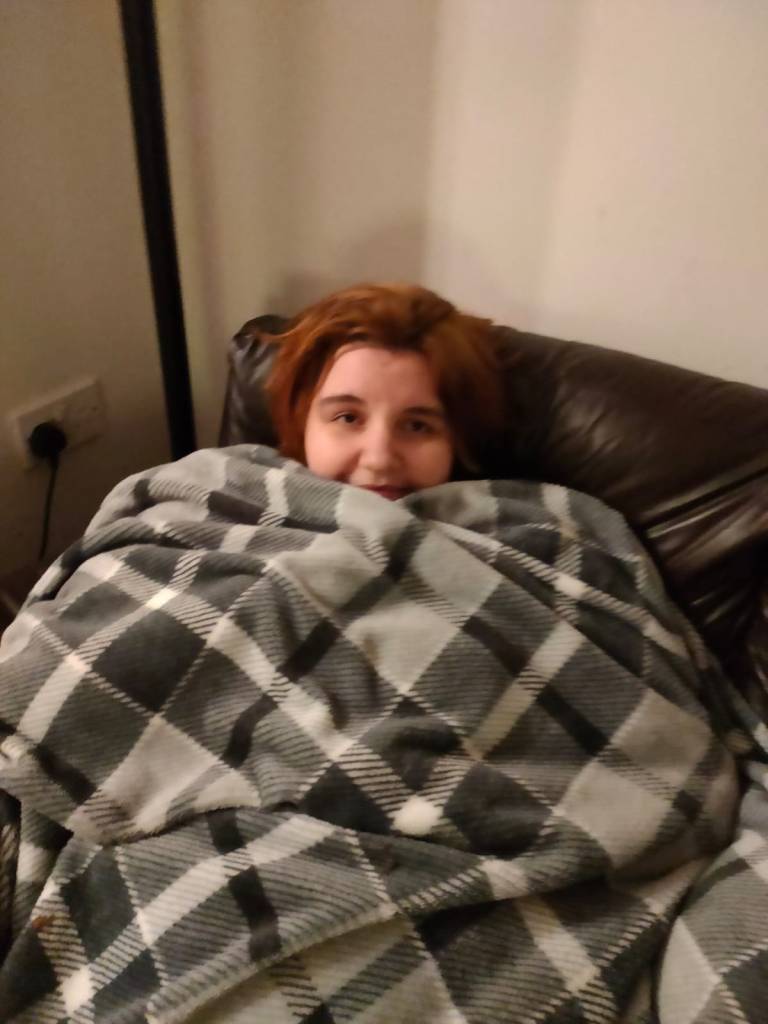
Looking at me as I am right now, curled up on the settee trying to not make to much noise so as to not wake the kids, you could be forgiven for not knowing I had a disability; even if your keen eyed and spotted my odd eyes you wouldn’t know that my sight was impacted and would be unlike to think too much about it. However even when you can spot my spasms or a dislocation, you cannot see my brain fog, my sensory loss, the neuropathic nerve pain, no one can see fatigue fight, the pain induced insomnia, the sixty odd dislocations a day and so much more.
Spot the faulty eye
I love talking with young children about my disabilities because they don’t hold back. “How does your chair work?” “Can you get upstairs?” “Do you have to put you your chair in the bath?” The look of fear on the parents faces as they worry that something not deemed politically correct may be asked is what I find disheartening. Without these beautiful minds being curious how can stigmas be fought against, broken down and normalised? This should be praised and encouraged. I appreciate that not everyone will want to be asked, but you’ll be surprised by how many people are more than happy to discuss these things.
Disabled people, whether the condition is visible or not, physical/mental/learning or otherwise are still people. Next time, pause, maybe ask a question, you could be amazed at how it opens your eyes.
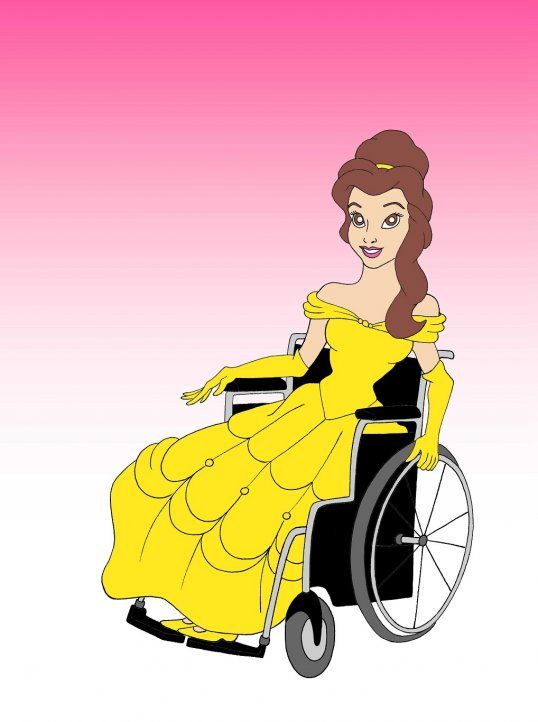
Representative. That word means so many things these days. We are always on the look out for something or someone that represent us in someway that we identify with. It’s been a long time since I stopped feeling that word was applicable to me anymore simply because as much as the world has made so much progress accepting disabled people there’s some pretty ridiculous hold ups too.
In politics there’s lots of loud, worringly not always up to date privalged folk making decisions that impact the likes of you and me. I always dread when they discuss the NHS or disability benefits and wonder how much time they’ve spent speaking and really listening to its core users. I’ve written many times and often been disgusted by the response back which has so inadequate they’ve not even referred to my letter remotely accurately.
In fashion I struggle to find clothes that don’t physically injure me when putting them on. I’d love to see more disabled friendly clothes hitting the stores at reasonable prices. For those of you thinking just avoid the clothes that cause injury I do for the most part, but I haven’t found a bra yet that I can take on and off without dislocating.
Councils; I am honestly curious when you design pavements, who decides on drop curb placements? As a wheelchair user, with brain fog more days than not, I have to try to remember the best wheelchair friendly routes. These often involve laughable detours. I’ve been debating starting a ‘The disappearing Dropcurb album’.
Film/TV. All I’m going to say on the subject is start hiring the talented disabled actors that are out there for roles, rather than able bodied household names. You have no excuse, make the adaptations needed to facilitate.
Finally I don’t expect to see representation of myself everywhere, that’s not exactly what I’m getting at. After all one of the beautiful things about human life is our differences, our uniques, our quirks. However that doesn’t mean that we shouldn’t address the issues I’ve raised above and as we’re heading into 2021 these really should be non issues by now.





 Dystonia and Me