Posted in Archive, June 2016

Making The Most Of This Life One Spoon At A Time

My list of chronic conditions is an ever growing one; Dystonia, EDS Type 3, Non-Epileptic Seizures, Postural Hypotension and more! The list of hospital appointments is just as long. As I was diagnosed with each one I felt very much as if I were being forced to pause and take a step back in life. Almost as if I had no choice but to fail at achieving my goals. That may seem over dramatic, but it was a very real, very overwhelming emotion. Learning to accept life as spoonie was and still is a challenge. As I have mentioned before I have developed an attitude of watch me achieve everything you tell me that I won’t be able to. I shall achieve and aspire to all my dreams.

When I was exploring signing with my publisher I noticed that in their facts and questions page that they recommended if you were ill, waiting until you had recovered before going down this publishing path, because it is hard and a lot of work. Now obviously this is referring to recoverable conditions, hence why I skipped over it.  For my novel to be published I have to achieve 250 preorders, otherwise it won’t be able to go ahead (https://www.britainsnextbestseller.com/beta//books/?id=55). So for the next six weeks I have to put a lot of work into advertising and self-promotion via social media. Self-promotion may sound like an easy task but when one eye isn’t working and your body is dodgy anyway you tire easily. I know many of you know the feeling. This is when I adore Facebooks scheduled post function, it’s fantastic for when I need a quick break.

The next six weeks are going to be manic, and nerve wracking. However, it’s also exciting. I’m keeping my fingers crossed that I can achieve, despite everything , and manage to hit the 250 requirement! If you are a love of fantasy then you can order my debut novel here https://www.britainsnextbestseller.com/beta//books/?id=55

thumbnail_Regan Final Cover (2)

Posted in Archive, May 2016

Importance of Utilizing a Support Network

Whether you are ill or not having a support system in place is something everybody needs. Everyone deals with varying difficulties in life, and whilst experiencing these a support network helps keep life ticking over and enabling you to feel like you can cope. Often during difficult times, it becomes very tempting, and easy, to simply shut yourself away from family and friends. I know personally that I would much rather deal with a problem by myself, this is simply because by talking to others the issue feels more real and daunting. However, acknowledging it and making plans to resolve it with people you trust is a key to moving forwards.
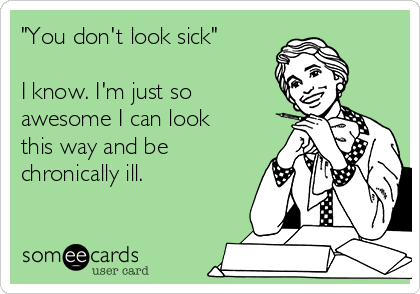
When I was first diagnosed with Generalised Dystonia in 2012 I shut myself away from most of my friends; even a trip to Tesco was difficult as I did not want others to see what had become of me and judge me. Reflecting back on this now, I know that this was more a fear of seeing others react to my spasms and having to admit that I really was having to deal with this. A huge chunk of me wanted to pretend it was simply an unpleasant dream. Despite knowing that talking amongst trusted individuals is helpful, I still fall back into bad habits whenever life goes slightly askew.

This past week I have been coming to terms and dealing with some difficult situations outside of Dystonia. Admitting that they happened and needed dealt with was a hugely difficult step, but a necessary one. My botox is a week late this time round, I am receiving it this coming Wednesday, so dealing with a combination of life being more flawed than usual and my spasms progressively increasing in severity, has been more than I felt I could cope with. This is where a support network is vital. Family and friends can help give an outside perspective on how to manage life events, and advise what steps to take. This is an invaluable tool! Sometimes though, you need more than just the loving circle of individuals. Realising this is key. I have just started talking to a councillor. This is something I had hoped I would never have to do again, but it’s been necessary and I know is helpful.

Living life with Dystonia is never going to be easy. I greatly admire every individual who does so. Realising when you need support is not a sign of weakness but of great strength. So please remember to talk to those around you. This condition drives us all barmy, sometimes we need grounding.

Posted in Archive, May 2016

Dystonia: Who am I now?

There are many aspects to life with Dystonia; to address them all would take hours. So I’m going to focus on just a few this evening. As with any condition, once you are diagnosed, many sufferers go through a soul searching period. This is simply trying to work out who you are now. Inevitably we all change, for better or worse, once a chronic condition develops. You’re still the same person, just with a few modifications.

At eighteen I was a Student Midwife. There was not a lot else that made me who I was. I was a daughter, girlfriend, and student. I felt fulfilled. If you had told me then that in less than a year I would be unable to practice midwifery I would laughed. Midwifery was my passion, to even entertain the thought of another career seemed ludicrous. I could talk about the subject until I had grossed people out enough that they were begging me to stop! Now at 23 I am a daughter, student, freelance writer, blogger, reflexologist, advocate and Spoonie. Midwifery is but a happy memory that still brings a tear to my eye. I put up with less drama, I have no patience for anyone who only wants to be around during the more upbeat moments of my condition, and I am a hell of a lot stronger than I used to be.

It has taken four years to get to this stage. I have gone through denial: refusing to acknowledge that my illness won’t just disappear. I was so lost in this that I even reapplied and was interviewed to go back to study Midwifery. A small moment of madness in reality. I have grieved for the person I was, and that life that I lost. I have floundered in uncertainty, whilst those around me helped keep me from sinking into waves of despair. Now I finally have accepted who I have become. Despite everything I have been through, and am still going through, I am happy and thriving.

There are still days when I question why I have experienced the things I have. Only last night I was joking that I must have been a dementor in a previous life, for why else would I be sentenced to this path? Melodramatic I know, but it doesn’t make that feeling any less. Despite my illness I have no regrets. I am surrounded by people who love and support me every time I fall. Through my Dystonia I have had the opportunity to meet and talk with a number of individuals who I admire greatly. I have made many new friends. I have contacts around the globe! At the end of the day, I am happy. I cannot ask for anything else.

Posted in April 2016, Archive

Vulnerability and Dystonia

Living with a chronic condition can have a detrimental effect on the sufferers attitudes or mental health. Many people experience disbelief from both the public and medical professionals during their fight to achieve an accurate diagnosis. Due to this many choose to refrain from openly talking about mental health conditions and passed traumas with doctors and those close to them. Often this becomes an early defensive behavior that is learned in on order to prevent pre-emptive judgement.

In 2012 during my fight for a diagnosis I found myself in the John Radcliffe for 8 days as I had developed Pain Triggered Non Epileptic Seizures, and my Dystonia had spread from my jaw to my eyes. I was very honest about my past with the consultants in charge of my care. I expressed that I had suffered physical abuse during my teenage years, that I had sought help and that I was now in a much happier place. I still view being honest with the doctor in charge of my care as a mistake however, due to the fact I had had this unfortunate experience I was informed all my symptoms were psychosomatic, and that I need neuro-psychiatric contact. As I’m sure you can imagine I did not take this well. I remember clearly stating that I would go talk to their psychiatrist, purely so I could jump through their hoops and prove them wrong.

Mere months later I had my diagnosis of Dystonia and a letter from my neurologist stating that my past experiences had no impact on my current state of health. That letter has not stopped doctors and acquaintances questioning me over the years though. On numerous occasions I have been asked if I am depressed. I am generally an optimistic person who loves nothing more than to laugh. Yet being repeatedly questioned has its impact. I am defensive of my health, I feel like I have to justify myself and that leaves me feeling vulnerable. For if people struggle to believe me when they can see the physical symptoms in front of them, what else will they close their mind too? Vulnerability is an emotion that too many sufferers of chronic illness experience. It comes in both physical and emotional forms. One of the best things a person can hear is ‘I believe you’. It is an empowering statement that allows us to relax and breath. Acceptance free of doubt opens up a line of honest communication. Something that we all need.

you-dont-look-sick-awesome.png

Posted in Archive, December 2015, September

But You Don’t Look Sick


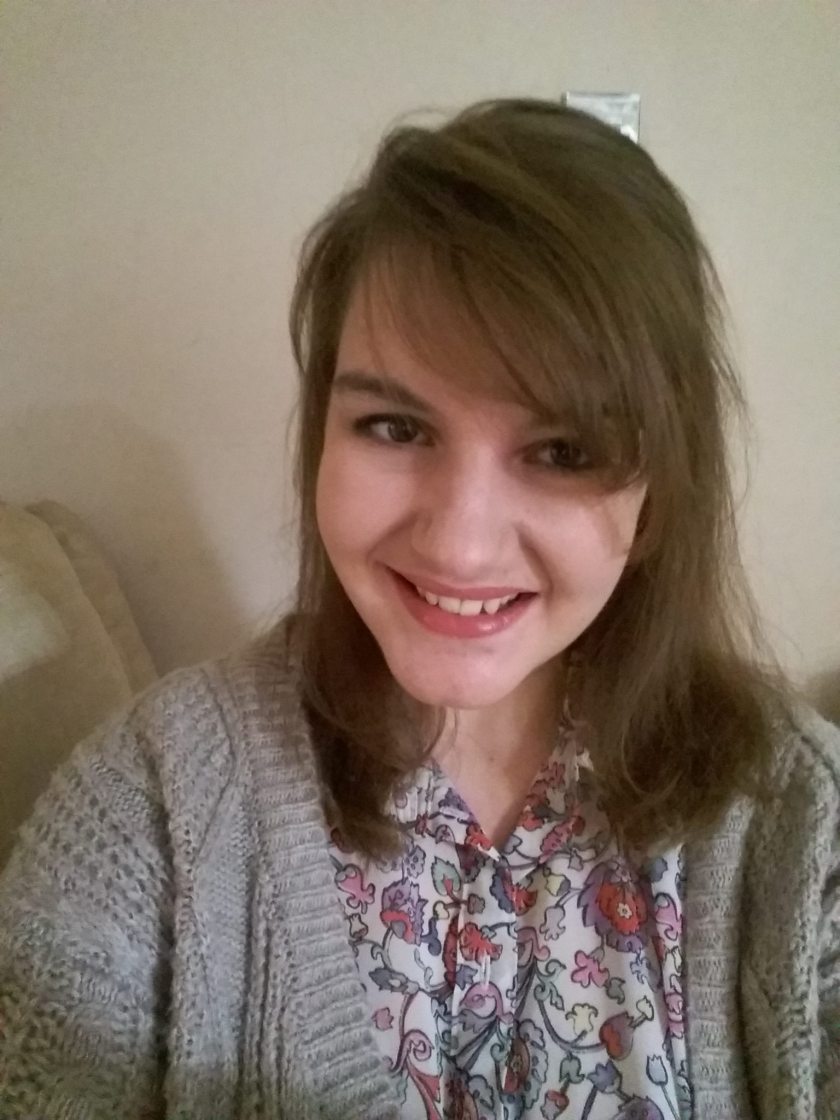
12394480_804191833039931_1805113062_oWell first off thanks for the compliment! I work hard on making sure that I don’t look completely awful. The more my body is playing up the more care I take with my appearance; it cheers me up, and that’s one step towards having a good day. Mr judgemental Taxi man, I may not look as ill as you would like me to, but I was on the way to the Drs this morning because on top of all my chronic health conditions I had contracted yet another chest infection along with sinusitis. Yeah my immune system sucks. Infections on top of my pre-existing conditions are always detrimental and not something my body copes with well. I needed to get a prescription to nip it in the bud!1419509_804226453036469_22790295_o

What do you deem as sick? Do I need to be wheelchair bound, using a walking stick or screaming in agony? Some days that is me. There are days when my meds are not strong enough to control my dysfunctional body, where my body contorts and contracts into positions that you could not imagine. Would you believe I was sick then? Not everyone does. There have been healthcare professionals who have stood by debating over which symptoms are real and which are fake in an attempt to get drugs. This is simply because they do not understand my conditions, I do not blame them, it’s not like my brain has developed the common ailments after all. However taking a moment to listen to someone before making a judgement is not hard.

Next time you see someone who isn’t stereotypically ‘sick’, pause and think.

Posted in Archive, October 2015

Winter Precautions

If you had sat opposite me and my friends on the bus yesterday chances are you would not have had a clue there was anything wrong with me. When I shuddered, and my friends asked in hushed tones if I was cold, you would not have paid a second thought to it. In reality that shudder was my body trying desperately to twitch but failing due to the injections, my friends whispered question was simply because they know that the cold aggravates my Dystonia. I currently walk around Oxford like a human marshmallow, swaddled in layers, with my gloves, hat and scarf on. My joints are already painful most days. I compensate for this though, my bedroom generally feels like a sauna.

Winter is coming. For many Dystonia, EDS and other spoonies winter impacts their chronic illness, causing spasms, pain flares etc. Managing your symptoms gets harder and if you’re anything like me and run head first at every challenge your condition presents, then you’ll find that with winter you’ll crash and flare more often. Symptom diaries are a fantastic tool to keep. Learning what you can do to keep on top of your health is the best approach you can take.

I know that in winter If I go out with no gloves and only one pair of socks, I am going to spend the day apologizing to all the people I pass in the street as I’ll accidentally hit  them when I twitch. It’s humiliating, and avoidable if I just remember to wrap up. If my room gets to cold I know I shall spend the night in agony with my body spasming. Again this is avoidable. I may not be able to prevent every single spasm, but I can definitely prevent the worst of them by taking sensible measures.

So please all you amazing spoonie warriors, wrap up this winter and don’t put yourself at risk!

Posted in Archive, October 2015

Saying Yes To Help

When I received my miracle unconditional offer from Oxford Brookes this year my mother and I ended up have numerous discussions on how I would manage on my own at uni. These talks mainly focused around the idea of having carers, 3 or 4 times a week, to help me with basic household tasks that some days are just too much for me to manage. At the time I was insistent on doings myself and put my foot down. I was determined to be an independent, strong, young woman who could manage all aspects of life without any help. Numerous other adults alongside my mother, pointed out that my mum would be right, university would be a reality shock, not only with an increase in work load but also with a huge increase in social life.

Needless to say I listened to what everyone had to say, I took it on board, and promptly carried on with my own plans. Not only did I want to be independent but I was also worried about the judgement I may face from my peers at needing care. My bedroom is rather large, which is great for days when I rely on my wheelchair, but I can easily overdo it by cleaning without realising it. I tried for two weeks before I resorted to carers. Giving in and saying “Yes, I need help!” was honestly the best decision I have made since being here. My fears of being judged and avoided like the plague where unfounded. There have been no drawbacks, just pure relief. I have more time and energy to put towards tasks that need doing for uni without having to worry about little things like hoovering.

My next task to tackle is pacing. For 3 years I have listened to my neurologist tell me to pace my life and stress the importance of it; and for three years I have simply nodded my head and carried on charging on. I have always been focused on the next achievement. It’s not taken me long to realise that tactic will not work for me here. Running on full steam will leave me having a flare-up frequently, which I simply cannot afford to be doing. It’s time to get my act together and learn the mysterious art of pacing…